
An MDR1 test is a DNA test for a defect in the ABCB1 gene, and it is worth doing in any dog whose breed or ancestry carries it, regardless of how small the dog is. A small body does not change how a drug is transported out of the brain, so a negative or positive result carries the same weight in a two-kilogram puppy as in a large adult. The result belongs with the dog's permanent records, kept beside the pedigree, and it should be shown to every veterinarian who anaesthetises or prescribes for that dog.
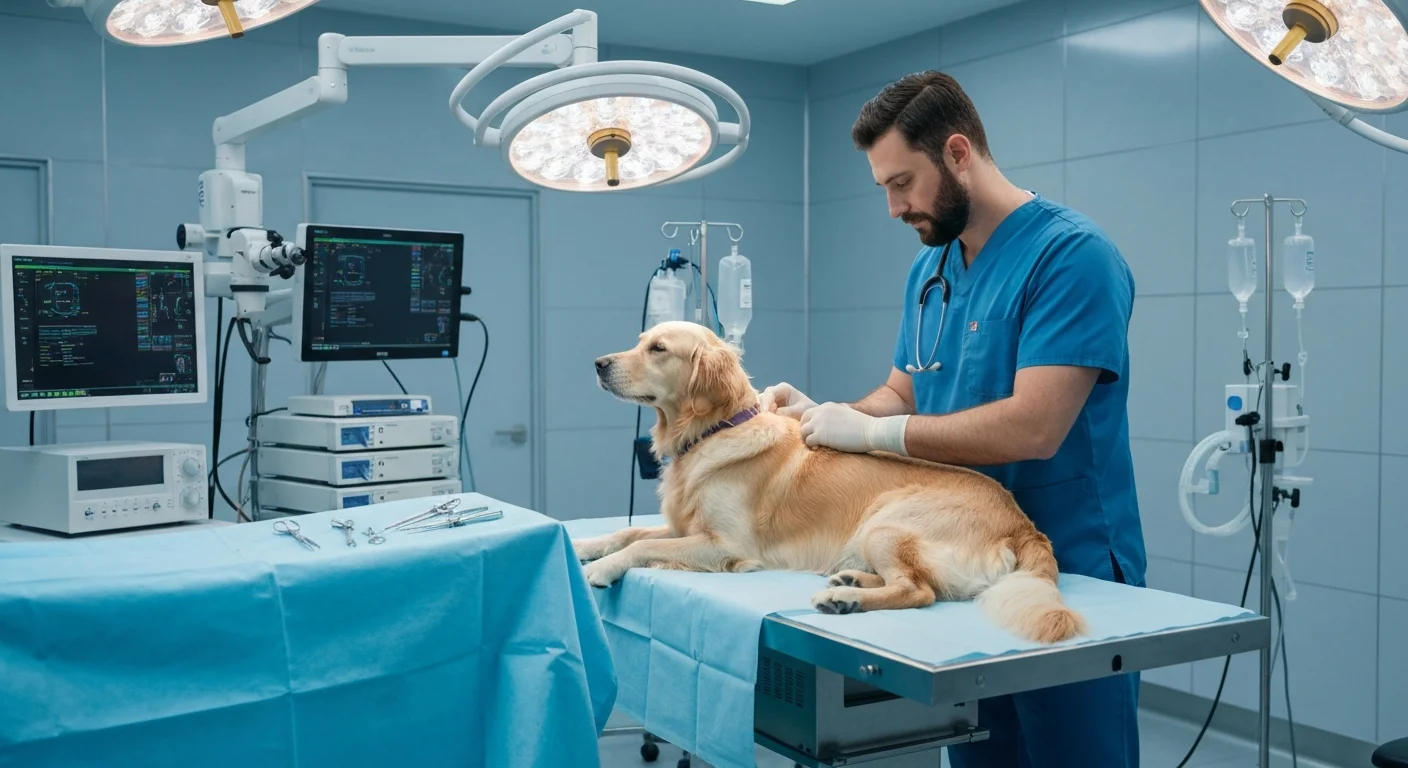
Does a small dog need an MDR1 test?
Size is not the question. The question is whether the dog belongs to a breed or line in which the ABCB1 mutation has been documented, or whether the dog's ancestry is unknown. Miniature and dwarf varieties of affected breeds are tested on the same basis as their larger relatives, because the mutation is inherited and not tied to stature. A miniature longhaired dachshund, for example, is a small dog with a long back, and it is also a dog whose breed background may include the mutation. Owners who are preparing to buy a puppy can ask the breeder whether the parents were tested and can ask to see the paperwork. Breed-specific owner resources are useful at that stage: the miniature dachshund guide covers how to choose a breeder and what questions to ask during a visit, which is exactly when the testing status of the parents should come up.
The test itself is simple. A cheek swab or a blood sample is submitted to a laboratory, and the report describes the dog's genotype: clear, carrier, or affected. Clear means the dog has two normal copies of the gene. Carrier means one normal copy and one mutated copy. Affected means two mutated copies. Carriers usually tolerate standard drug doses but can pass the mutation to offspring, which matters for anyone planning a litter. Affected dogs are the ones at real risk of severe toxicity from a defined list of drugs.
What the test covers, and what it does not
The test examines one gene. ABCB1 codes for P-glycoprotein, a pump that moves certain drugs out of the brain and back into the bloodstream. When the pump is missing or defective, those drugs accumulate in the central nervous system at doses that would be safe in a dog with normal pump function. The classic example is ivermectin at the high doses used for mange or other off-label purposes, but the list also includes several common antiparasitics, some antiemetics, some opioids, and certain chemotherapy agents.
The test does not cover every drug reaction. A clear result means the dog handles P-glycoprotein substrates normally; it does not mean the dog will tolerate every anaesthetic or every medication. Other genes affect other drugs, and individual variation exists. A carrier result is not a diagnosis of disease. An affected result is not a prediction of when or whether a reaction will occur; it is a statement about risk that changes drug selection.
What does the result change in anaesthesia and parasite prevention?
In anaesthesia, the result changes the premedication and induction protocol. Several opioids and sedatives are P-glycoprotein substrates, and an affected dog may show exaggerated or prolonged sedation, or unexpected excitability, at ordinary doses. A veterinarian who knows the genotype can choose agents that are not pumped by P-glycoprotein, or can reduce doses and monitor more closely. The result does not forbid anaesthesia. It informs the drug list.
In parasite prevention, the result changes which products are safe. Many monthly heartworm preventives contain ivermectin or a related compound at doses low enough that most affected dogs tolerate them, but the margin is narrower than in a clear dog, and some products combine several drugs. A veterinarian working from a known genotype can select a preventive with a wide margin and avoid combination products that include a P-glycoprotein substrate at a higher dose. The same logic applies to flea and tick products, and to any off-label antiparasitic treatment.
For a long-backed dog, the stakes are practical as well as pharmacological. Miniature dachshunds and similar breeds are prone to intervertebral disc disease, and a dog that develops back pain may need pain relief, sedation for imaging, or surgery. Each of those steps involves drug decisions. Knowing the MDR1 status in advance means the information is already in the record when an urgent decision has to be made, rather than being ordered during a crisis.
Where should the result be kept?
The result should be kept where it will be found. That means three places. The first is the dog's own file at home, alongside vaccination records and the pedigree. The second is the file at the veterinary clinic, so it is visible before any drug is drawn up. The third is with the breeder or the registry, if the dog is entire and may be bred, because the genotype affects breeding decisions.
A paper copy in a folder is useful, but a digital copy is easier to send. Owners who travel, change clinics, or use emergency services should be able to produce the result within minutes. A photograph of the report on a phone, or a PDF attached to an email, covers that. The key point is that the result is not filed away as interesting trivia. It is a clinical document, and it belongs with the pedigree because both describe the dog's inherited makeup.
How the result fits into a breeding and purchase decision
For a buyer, the useful question is not whether the puppy was tested, because a puppy's genotype can be inferred from tested parents. The useful question is whether both parents were tested and what their results were. Two clear parents produce clear puppies. A clear dog bred to a carrier produces a litter in which roughly half the puppies are carriers, which is acceptable to many breeders but should be disclosed. Two carriers, or a carrier bred to an affected dog, can produce affected puppies.
This is why the result belongs beside the pedigree rather than in a separate medical folder. The pedigree records ancestry; the MDR1 report records one inherited trait that affects how the dog will be medicated for its whole life. Keeping them together makes the information available at the two moments it matters most: when a veterinarian is choosing drugs, and when an owner is choosing a puppy or planning a litter.
The practical summary
Test on the basis of breed and ancestry, not size. Read the result as a genotype, not a diagnosis. Use it to shape anaesthetic protocols and parasite prevention, especially in a long-backed dog that may need pain management or surgery. Keep it with the pedigree and with the clinic, in a form that can be produced quickly. A small dog with a clear result and a small dog with an affected result look identical on the exam table, and the difference only shows up when a drug is given.
Screening decisions often turn on breed history rather than body weight, and owners of toy breeds frequently ask whether their dog's size alone raises the risk. It does not. A small dog is not automatically more sensitive to ivermectin; what matters is whether the MDR1 mutation is present, and that question is answered by a test, not by the dog's weight on the scale. For owners who want the other half of the picture, the evidence in toy breeds sets out what testing adds before a heartworm preventive is chosen.
The figures and rules summarized above come from published screening guidance maintained by the WSU MDR1 programme, which describes what an MDR1 test covers, what it does not, and how a result should change anaesthesia planning and parasite prevention in small breeds. Owners who want the primary wording, rather than a summary, can read it there. Keep the result with the dog's records and share it with any veterinarian who prescribes ivermectin or related drugs.