
When a dog with suspected ivermectin toxicity comes through my emergency room doors, every minute counts. There is no specific antidote for macrocyclic lactone toxicity. Treatment is supportive, which means we are managing symptoms and maintaining vital functions while the drug clears from the body. The protocols I describe here represent current best practices and the approach I use in my own practice.
Initial Assessment and Stabilization
The first step is rapid assessment of the patient's neurological status and vital functions. I use a modified Glasgow Coma Scale adapted for veterinary patients to document baseline status and track changes over time. This gives me objective data rather than subjective impressions when evaluating whether a patient is improving or deteriorating.
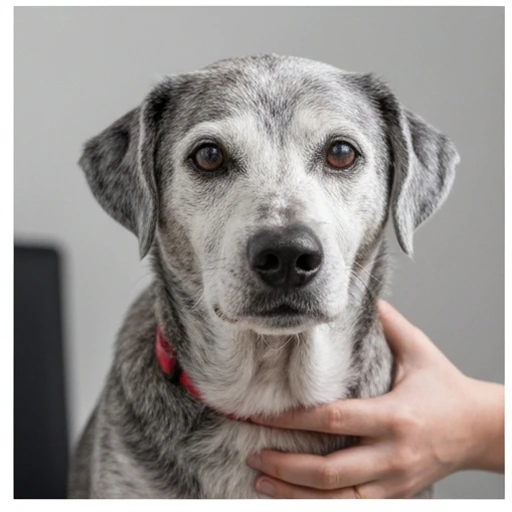
Simultaneously, I am obtaining history from the owner. Understanding which breeds carry MDR1 mutations helps prioritize high-risk patients. Crucial questions include:
- What product was the dog exposed to? Brand name and formulation matter.
- When did exposure occur? This affects decontamination decisions.
- How much was ingested or applied? Even rough estimates help.
- What is the dog's weight?
- Has the dog been tested for MDR1 status?
- When did symptoms first appear?
- Have symptoms worsened since onset?
IV catheter placement is immediate for any dog beyond Stage 1 toxicity. Even mildly affected dogs benefit from IV access because clinical deterioration can occur rapidly.
Decontamination
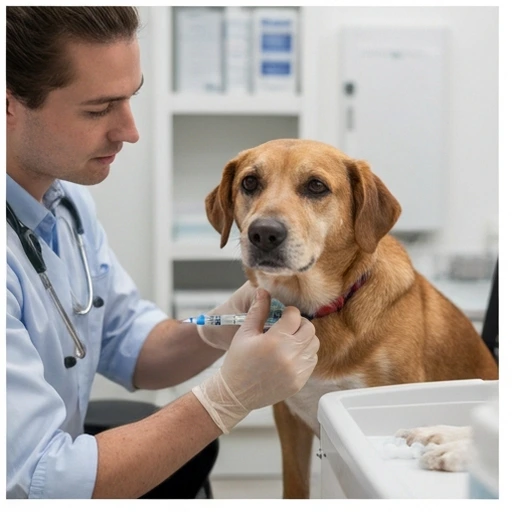
If ingestion occurred within the past two hours and the dog is neurologically stable enough to protect their airway, inducing emesis can reduce absorption. I use apomorphine at 0.03 to 0.04 mg/kg IV or 0.04 to 0.08 mg/kg conjunctivally. Apomorphine typically induces vomiting within 5 to 10 minutes.
Emesis Protocol
Indication: Oral ingestion within 2 hours, patient is alert and has intact gag reflex
Contraindication: Obtunded or comatose patients, absent gag reflex, seizure activity, respiratory compromise
Agent: Apomorphine 0.03-0.04 mg/kg IV or 0.04-0.08 mg/kg conjunctivally
Note: Have atropine available to reverse bradycardia if needed. Wash conjunctiva after emesis if using conjunctival route.
Never induce vomiting in a dog showing significant neurological signs. Aspiration pneumonia is a common and devastating complication of ivermectin toxicity, and forcing an obtunded dog to vomit dramatically increases this risk.
Activated charcoal can be considered for recent ingestions. The standard dose is 1 to 2 g/kg orally with a cathartic. However, charcoal carries aspiration risk in neurologically impaired patients. I typically administer charcoal only in alert dogs with intact protective reflexes or via nasogastric tube in obtunded patients who have been intubated for airway protection.
For topical exposures like pour-on products, thorough bathing with dish soap can reduce ongoing absorption. Multiple baths may be needed. Wear gloves during bathing to avoid personal exposure.
Intravenous Lipid Emulsion Therapy
The single most significant advancement in treating macrocyclic lactone toxicity over the past two decades has been intravenous lipid emulsion (ILE) therapy. Ivermectin is highly lipophilic, and ILE creates a lipid sink in the bloodstream that pulls the drug out of tissues, including the brain.
I initiate ILE early in any significant toxicity case. The evidence supporting its use has grown substantially since the first case reports in the early 2000s. Dogs treated with ILE show faster clinical improvement and higher survival rates than those receiving supportive care alone.
Lipid Emulsion Protocol
Product: 20% lipid emulsion (Intralipid, ClinOleic, or equivalent)
Loading Dose: 1.5 mL/kg IV bolus over 15-20 minutes
Continuous Infusion: 0.25-0.5 mL/kg/min for 30-60 minutes
Total Dose Limit: 8-10 mL/kg in first 24 hours
Repeat Dosing: Can repeat bolus every 4-6 hours if clinical signs persist or worsen, staying within daily limits
Monitoring: Watch for lipemia, respiratory changes, pancreatitis signs
Some clinicians worry about ILE side effects like pancreatitis or fat overload syndrome. In my experience, these complications are rare when ILE is used appropriately, and the benefit in ivermectin toxicity cases far outweighs these risks. A dog in Stage 3 toxicity without ILE treatment faces a high mortality risk. The risk of ILE complications pales in comparison.
Neurological Support
Seizure control is essential in dogs experiencing convulsive activity. My first-line agent is diazepam at 0.5 to 1 mg/kg IV, which can be repeated up to three times. If seizures persist, I escalate to constant rate infusion of diazepam at 0.1 to 0.5 mg/kg/hour or transition to phenobarbital.
Phenobarbital loading dose is 16 to 20 mg/kg IV divided into 4 mg/kg boluses given 15 to 30 minutes apart. This allows monitoring for excessive sedation between doses. Once loaded, maintenance is 2 to 4 mg/kg IV twice daily.
For refractory seizures, propofol or ketamine constant rate infusions may be required. These patients need intensive monitoring and often require mechanical ventilation.
Seizure Management Protocol
First Line: Diazepam 0.5-1 mg/kg IV, repeat up to 3 times at 5-minute intervals
Second Line: Phenobarbital loading 16-20 mg/kg IV (divided into 4 mg/kg boluses q15-30 min)
Maintenance: Phenobarbital 2-4 mg/kg IV q12h once loaded
Refractory: Propofol 2-6 mg/kg IV bolus, then 0.1-0.4 mg/kg/min CRI, OR Ketamine 2-5 mg/kg IV bolus, then 2-10 mcg/kg/min CRI
Respiratory Support
Dogs with moderate to severe toxicity frequently develop respiratory depression. I monitor respiratory rate, effort, and pulse oximetry continuously. Arterial blood gas analysis provides the most accurate assessment of ventilation and oxygenation.
Supplemental oxygen is indicated for any patient with SpO2 below 94% or PaO2 below 80 mmHg. Flow-by oxygen, nasal cannula, or oxygen cage can support mildly affected patients.
Patients with PaCO2 above 60 mmHg, severe hypoxemia despite supplemental oxygen, absent gag reflex, or profound CNS depression require intubation and mechanical ventilation. This is where the case becomes resource-intensive. Mechanical ventilation may be needed for days. Round-the-clock monitoring is essential.
Initial ventilator settings I use are tidal volume 10 to 15 mL/kg, respiratory rate 10 to 20 breaths per minute targeting normocapnia, and FiO2 starting at 100% then weaning to maintain SpO2 above 95%. Positive end-expiratory pressure of 5 cm H2O provides lung recruitment without excessive intrathoracic pressure.
Cardiovascular Support
Bradycardia is common in ivermectin toxicity due to enhanced vagal tone. Mild bradycardia without hypotension does not require treatment. When bradycardia causes hemodynamic compromise, atropine at 0.02 to 0.04 mg/kg IV is first-line therapy.
Hypotension may occur from direct cardiovascular effects or from decreased cardiac output secondary to bradycardia. Fluid resuscitation with crystalloids is indicated for hypovolemic hypotension. For persistent hypotension despite adequate volume status, vasopressor support with dopamine (5 to 10 mcg/kg/min CRI) or norepinephrine (0.05 to 0.3 mcg/kg/min CRI) may be needed.
Continuous ECG monitoring is indicated for all patients beyond Stage 1 toxicity. Arrhythmias are uncommon but can occur, particularly with severe toxicity or concurrent hypoxemia.
Thermoregulation
Hypothermia is nearly universal in moderate to severe cases because CNS depression impairs thermoregulation. Rectal temperature should be monitored at least every 2 hours. Active warming with circulating warm water blankets, forced air warming devices (Bair Hugger), or warm IV fluids is often required.
Target temperature is 100 to 102.5 degrees Fahrenheit (37.8 to 39.2 degrees Celsius). Avoid overwarming. I aim for gradual rewarming at 0.5 to 1 degree per hour to prevent metabolic complications.
Nutritional Support
Dogs who cannot eat voluntarily need nutritional support. For patients expected to be hospitalized more than 48 to 72 hours without oral intake, I place a nasoesophageal or nasogastric feeding tube and initiate enteral nutrition.
Resting energy requirement is calculated as 70 times body weight in kilograms raised to the 0.75 power. I typically start at 25 to 50 percent of this requirement and increase over 2 to 3 days to full feeding. A blended recovery diet or liquid enteral formula can be used.
Patients requiring mechanical ventilation may need parenteral nutrition if enteral feeding is not tolerated. This adds complexity and expense but is important for supporting recovery in prolonged cases.
Nursing Care
The nursing care requirements for ivermectin toxicity cases are substantial. Recumbent patients need turning every 2 to 4 hours to prevent pressure sores and atelectasis. Padding should be thick and clean. The patient should be positioned with the head elevated to reduce aspiration risk.
Eye care is essential when blink reflexes are absent. Corneal ulceration can develop rapidly in recumbent patients with fixed, open eyes. Apply lubricating eye drops or ointment every 2 to 4 hours. Taping eyelids closed may be needed in deeply comatose patients.
Bladder management includes palpation every 4 to 6 hours and expression or urinary catheter placement if needed. Urinary retention is common in recumbent patients.
Keep the patient clean and dry. Urinary and fecal soiling damage skin rapidly. Frequent cleaning and barrier cream application protect skin integrity.
Monitoring Parameters
My monitoring protocol for ivermectin toxicity includes:
- Neurological assessment (modified Glasgow Coma Scale) every 2 to 4 hours
- Vital signs (heart rate, respiratory rate, temperature, blood pressure) every 1 to 2 hours
- Pulse oximetry continuous
- Blood glucose every 4 to 6 hours (CNS depression can cause hypoglycemia)
- Electrolytes daily
- Packed cell volume and total protein every 12 to 24 hours
- Arterial blood gas every 6 to 12 hours in ventilated patients
- Triglycerides before and after ILE therapy
Expected Recovery Timeline
Recovery from ivermectin toxicity can be prolonged. The drug's long half-life means clinical improvement often takes days to weeks. I prepare owners for this timeline upfront.
Understanding the clinical staging system helps predict recovery timelines. Stage 1 toxicity with prompt treatment: Most dogs improve within 24 to 48 hours.
Stage 2 toxicity: Typically 3 to 5 days before significant improvement is seen. Full recovery may take 1 to 2 weeks.
Stage 3 and 4 toxicity: Initial stabilization may require 5 to 7 days. Total hospitalization of 1 to 3 weeks is common. Some dogs require continued outpatient care for weeks after discharge.
Permanent deficits are rare in dogs who recover but can include residual vision problems, vestibular dysfunction, or behavioral changes. Most dogs who survive return to normal function, though full recovery may take months.
When to Consider Euthanasia
This is the hardest part of treating these cases. Some dogs present with exposures so massive that survival is unlikely regardless of intervention. Others reach Stage 4 toxicity and remain unresponsive despite maximum supportive care.
I have honest conversations with owners about prognosis. Factors that make me pessimistic include complete absence of brainstem reflexes for more than 72 hours, no improvement despite aggressive ILE therapy and supportive care for 5 to 7 days, development of life-threatening complications like severe aspiration pneumonia, and massive exposure doses (particularly livestock product ingestion in small dogs).
The decision ultimately rests with the owner, but it is our responsibility to provide honest guidance. Continuing aggressive treatment indefinitely in a dog showing no signs of recovery is not in anyone's best interest. Equally, giving up too early on a dog who might recover is tragic. These are difficult judgment calls that require experience and compassion.
After Discharge
Dogs who recover from ivermectin toxicity should have their MDR1 status documented if not already known. The exposure event should be thoroughly discussed to prevent recurrence. All macrocyclic lactone products in the household should be secured according to our home safety guidelines. Going forward, any future surgical or sedation procedures should follow MDR1-adjusted drug protocols, as described in our anesthesia and surgery guide for MDR1-affected dogs.
I provide written instructions about the dog's drug sensitivities and recommend the owner share this information with any future veterinarians, boarding facilities, or other caregivers. For owners who travel, having these instructions translated for international veterinary teams can prevent repeat emergencies abroad. A medical alert tag or collar notation is advisable.
Follow-up examination is recommended 1 to 2 weeks after discharge to assess for any residual deficits and ensure complete recovery.