
The Australian Shepherd litter arrived at eight weeks old in good health. The breeder had done everything right — prenatal nutrition, clean whelping environment, early socialization. What she had not done was test the dam for the MDR1 mutation before the routine deworming protocol that her veterinarian recommended at four weeks. By the time the litter was six weeks old, two puppies from that litter were dead. Three others required hospitalization. All five had been given ivermectin as part of a standard puppy deworming program.
This scenario plays out multiple times every year in veterinary clinics across the country. Puppies are particularly vulnerable to MDR1-related drug toxicity for reasons that extend beyond their genetic status. Understanding those reasons — and knowing when and how to test young dogs — can prevent tragedies that are entirely preventable.
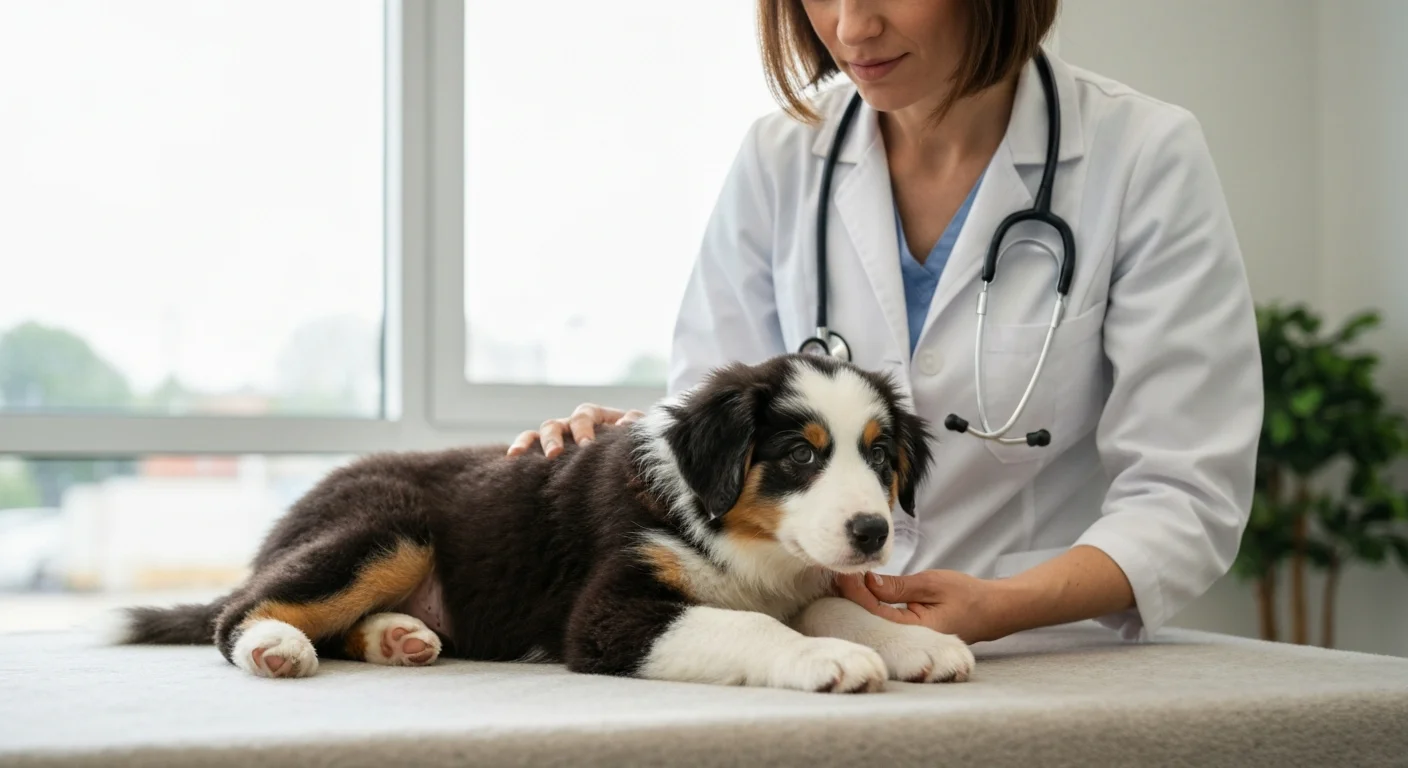
Why Puppies Are at Greater Risk
Even in dogs without any MDR1 mutation, the blood-brain barrier is not fully mature at birth. In most mammals, including dogs, the blood-brain barrier continues developing throughout the first weeks of life. The tight junctions between endothelial cells are less organized, and the pumping mechanisms are less efficient. This means that any drug with CNS penetration potential — including ivermectin — reaches the brain more readily in neonates and very young puppies than in adult dogs.
When you add an MDR1 mutation to this already compromised barrier, the risk multiplies dramatically. A puppy who is homozygous for the mutant allele has no functional P-glycoprotein at a developmental stage when the blood-brain barrier is already incomplete. The combination creates extreme vulnerability to ivermectin and other macrocyclic lactones, even at doses that might be tolerated by an adult MDR1-affected dog.
The pharmacokinetics of drug metabolism also differ in puppies. Hepatic enzyme systems responsible for drug clearance are immature. Renal filtration is less efficient. Body fat composition differs from adults, affecting drug distribution. All of these factors mean that drugs persist longer in puppy tissues at higher effective concentrations than the same dose would produce in an adult.
The Deworming Problem
Standard puppy deworming protocols often begin between two and four weeks of age. This is appropriate for roundworm and hookworm management, but the choice of antiparasitic matters enormously when herding breeds are involved. Many older protocols and some current veterinary guidelines default to ivermectin-containing products because they are inexpensive, broadly effective, and have a long track record in dogs without MDR1 mutations.
The problem is that responsible breeders of herding breeds often have litters with unknown or mixed MDR1 status until genetic testing is completed. Testing puppies before their first deworming is theoretically possible but impractical in most breeding operations. A cheek swab can be obtained from a puppy as young as three weeks, but results take one to three weeks. That means genetic testing results often lag behind the first deworming appointment.
The practical solution is straightforward: breeders of herding breeds should use MDR1-safe alternatives for all puppy deworming until genetic status is confirmed. Fenbendazole (Panacur) is safe for all dogs regardless of MDR1 status and is highly effective against the common intestinal parasites that affect puppies. Pyrantel pamoate is another safe option. There is no legitimate reason to use ivermectin-based dewormers in herding breed puppies before MDR1 status is established.
Safe Puppy Deworming Alternatives
Fenbendazole (Panacur): Safe for all dogs, effective against roundworms, hookworms, whipworms, and Giardia. Standard puppy protocol: 50 mg/kg daily for three days, repeat at two-week intervals. Pyrantel pamoate: Safe for all dogs, effective against roundworms and hookworms. These alternatives should be the default for all herding breed puppies before MDR1 testing is complete.
When to Test: The Breeding Pair Approach
The most efficient approach to managing MDR1 risk in litters is testing breeding animals rather than individual puppies. If both the sire and dam have been tested and their MDR1 status is known, the possible outcomes for the litter can be calculated with certainty. Two clear parents produce all clear offspring. Two heterozygous parents produce offspring in a 1:2:1 ratio of clear, carrier, and affected. This population-level knowledge guides the entire management approach for that litter.
Responsible herding breed breeders have increasingly adopted mandatory MDR1 testing as part of pre-breeding health screening. The MDR1 genetics guide at The Herding Gene provides detailed information about inheritance patterns and what breeding combinations produce what offspring ratios. Breeders who test their breeding stock eliminate uncertainty not just for their own deworming protocols, but for the lifetime medication management of every puppy they produce.
Testing Puppies Before Sale
Individual puppy testing before placement allows breeders to provide buyers with specific, actionable information about their puppy's drug sensitivities. This represents best practice in herding breed breeding programs. A puppy sold with a clear MDR1 result needs only routine parasite prevention protocols. A puppy sold with a homozygous mutant result needs a complete medication review with every veterinarian who will ever treat them.
The practical logistics are straightforward. Cheek swab samples can be collected at five to six weeks. Results are typically available in one to two weeks from accredited laboratories. Most buyers will still be making final decisions about which puppy they want, so results can be paired with puppy assignments. For breeders who sell at eight weeks, this timeline is workable.
Some breeders pass the testing cost on to buyers as a separate line item. Others include it in the purchase price. Either approach is acceptable. What is not acceptable is selling herding breed puppies without MDR1 testing results when those results will directly determine safe medication protocols for the next twelve to fifteen years of that dog's life.
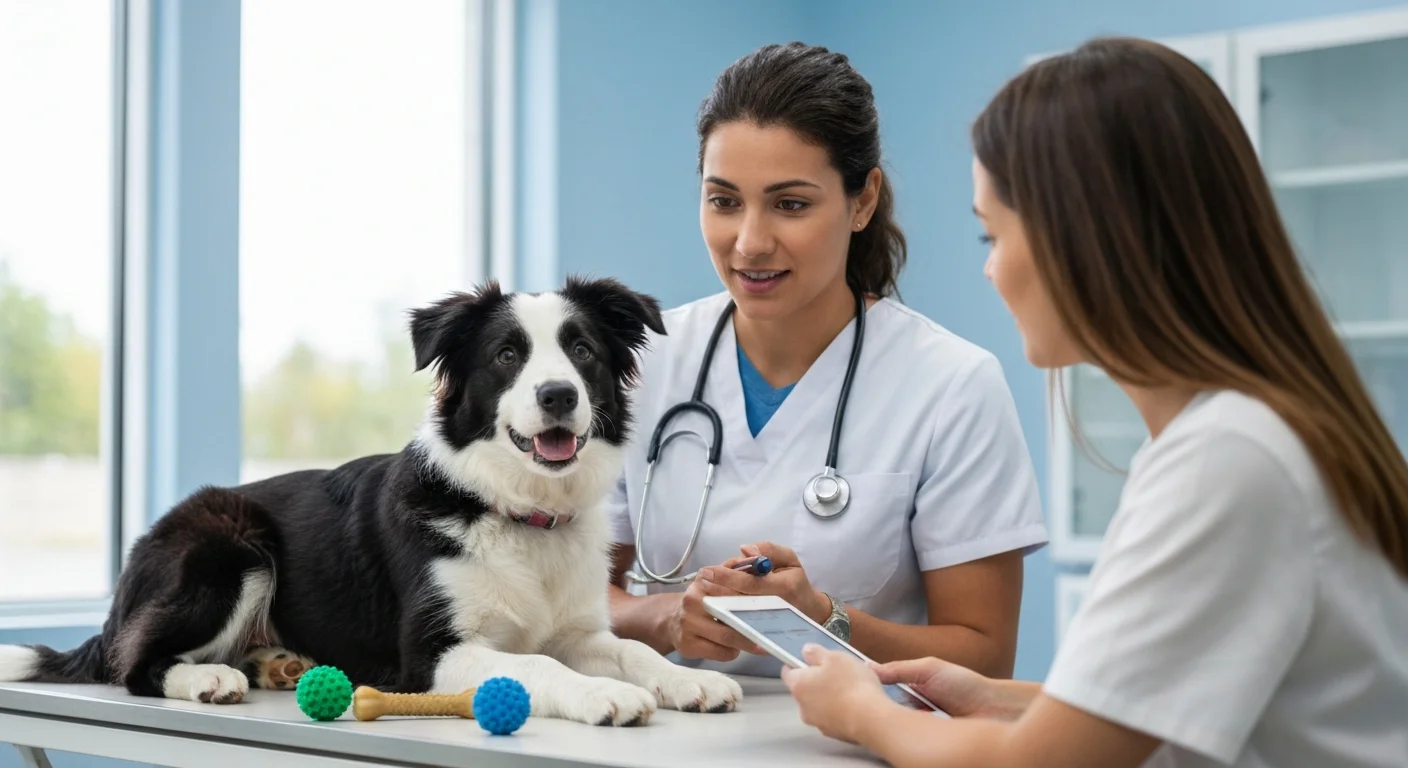
Juvenile Dogs: The Window Between Puppyhood and Adulthood
The period from approximately six weeks to six months represents a window of particular vulnerability in MDR1-affected dogs. The blood-brain barrier is maturing but not yet fully adult in its function. Hepatic metabolism is improving but still not equivalent to adult capacity. During this period, even doses that might be tolerated by an adult MDR1-affected dog can cause significant toxicity in a juvenile.
This matters practically for several common scenarios. Rescue dogs of unknown age and breed mix often receive deworming treatment without prior testing. Dogs acquired at agricultural auctions, from shelter situations, or from breeders who did not test may have unknown MDR1 status and uncertain age. Treating any young dog of uncertain herding breed heritage with macrocyclic lactones before confirming MDR1 status is an avoidable risk.
Veterinarians who see young herding breed dogs for initial health checks should discuss MDR1 testing as part of the wellness visit. This is the ideal time to establish the dog's genetic baseline before any medication decisions are made. The cost of the test should be framed as an investment in a lifetime of safe veterinary care, not as an optional add-on.
Communicating Risk to New Puppy Buyers
Even when a puppy tests clear of the MDR1 mutation, new owners benefit from understanding what MDR1 is and why it matters in their breed. This background knowledge prepares them to be alert if they ever acquire another herding breed dog, if they breed their dog later in life, or if a veterinarian unfamiliar with the breed recommends a macrocyclic lactone product.
For puppies who test as carriers or affected, the communication responsibility is significant. New owners need to understand, in clear and practical terms, which medications require avoidance, what the signs of drug toxicity look like, and how to communicate their dog's status to veterinarians. For a comprehensive reference they can share with their vet, the complete drug list for MDR1-affected dogs covers every relevant medication category.
Written documentation matters. A simple one-page summary of the puppy's MDR1 status, the implications for medication, and a list of safe alternatives is something buyers can keep in their dog's file, share with groomers, show to emergency clinics, and review with boarding facilities. The breeder who provides this documentation is doing genuine protective work for every puppy they produce.
Emergency Presentations in Young Dogs
When an MDR1-affected puppy or juvenile dog does present to an emergency clinic with ivermectin toxicity, the clinical picture can be more severe and progress more rapidly than in adults. The immature blood-brain barrier allows faster CNS penetration. The higher surface-area-to-body-mass ratio means the dose per unit of neural tissue is effectively higher. Smaller body size means even trace exposures represent significant doses.
Emergency practitioners seeing young herding breed dogs with neurological signs should include MDR1-related drug toxicity high in their differential list, even when owners deny drug exposure. Puppies and juvenile dogs are curious and mobile. Livestock dewormers, horse paste products, and topical antiparasitic applications on other household animals are common exposure sources that owners may not immediately recognize as relevant.
Early aggressive supportive care improves outcomes. For detailed guidance on emergency management, the treatment protocol for ivermectin overdose outlines the specific interventions that have shown efficacy in these cases, including intravenous lipid emulsion therapy and respiratory support.
Practical Recommendations Summary
For breeders of herding breeds, the minimum standard of care includes testing all breeding animals before mating, using only MDR1-safe dewormers for all puppies until individual testing is complete, testing individual puppies before sale when possible, and providing buyers with written documentation of their puppy's MDR1 status and medication implications.
For owners acquiring herding breed puppies from breeders who did not test, scheduling MDR1 testing at the first veterinary visit should be treated as urgent. In the meantime, assume the puppy may be affected and avoid all macrocyclic lactone products. The testing turnaround is short enough that safe protocols can be established within a few weeks.
The deaths and hospitalizations that result from MDR1-related drug toxicity in puppies and juvenile dogs are not acceptable losses. They are the direct result of preventable decisions. Testing, communication, and appropriate product selection eliminate virtually all of this risk. Understanding your dog's genetic status is the foundation of safe care throughout their life.