
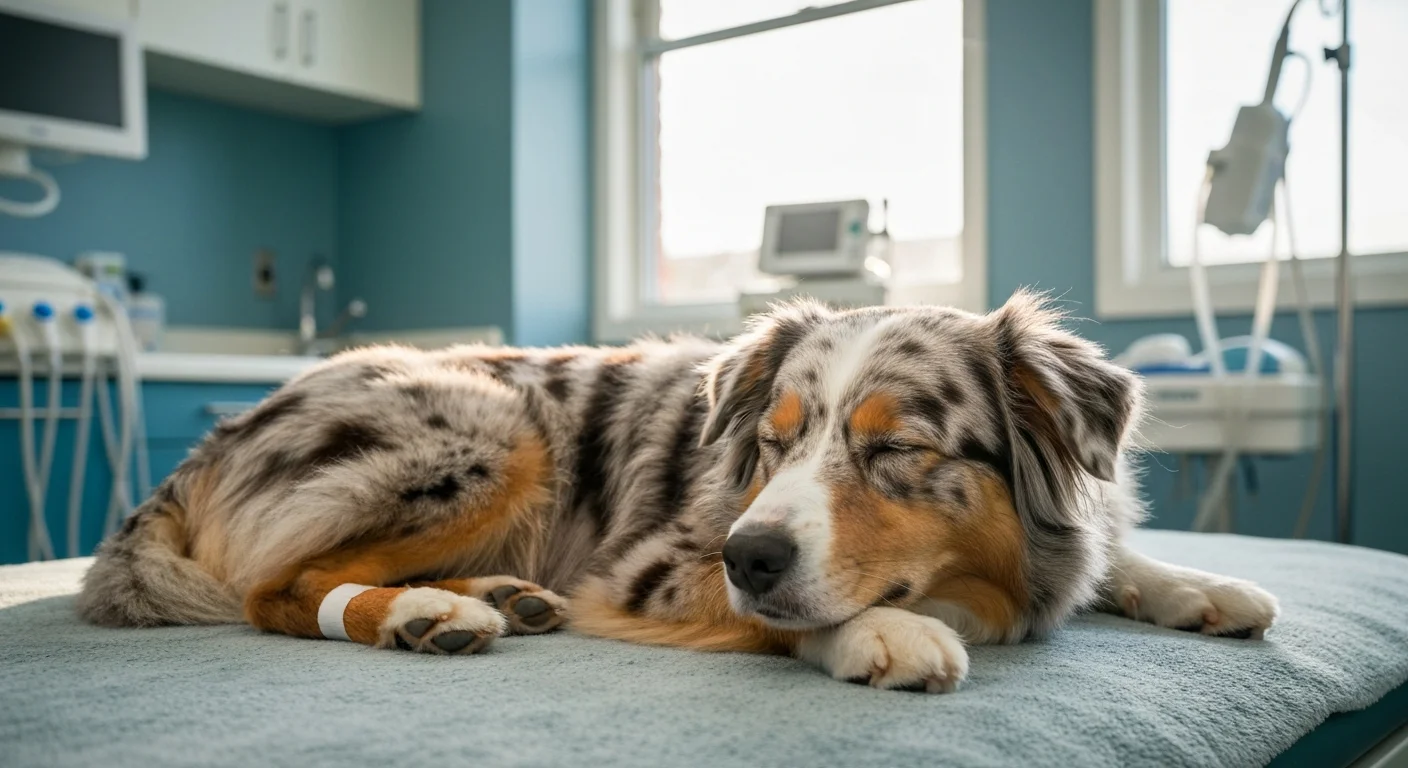
She came home on day six, still stumbling. Her owners carried her in from the car. She could not navigate the step at the front door. Her eyes moved erratically when she tried to focus on faces she recognized. She slept eighteen hours a day. Her owners, who had spent six days watching her in the ICU, were terrified that she was not recovering the way she should.
I called them from the clinic. I told them that what they were seeing was normal. That her nervous system was rewiring, that the ivermectin was clearing from her brain, and that the stumbling and the erratic eye movements would improve over the coming weeks. I also told them that recovery from severe ivermectin toxicity is not a straight line, and that setbacks happen. Three months later, she was competing in agility trials again.
Understanding what neurological recovery from ivermectin toxicity actually looks like — what is normal, what is concerning, and what can be done to support the process — is information that every owner of a surviving dog needs. The acute phase may be over, but the recovery can be long and frightening without proper guidance.
The Biology of Recovery
Ivermectin does not cause permanent neurological damage in most cases, even when the toxicity has been severe. The drug disrupts function by binding to GABA receptors and glutamate-gated chloride channels, forcing them into an abnormal state. As the drug is metabolized and eliminated, these receptors gradually return to normal function. The nervous system itself, in most cases, remains structurally intact.
This is critically different from toxins that cause actual tissue destruction. Dogs who survive ivermectin toxicity with appropriate supportive care generally have a favorable prognosis for full neurological recovery, because the underlying mechanism is pharmacological rather than destructive. The brain was not damaged — it was temporarily pharmacologically silenced.
The timeline for this pharmacological silencing to resolve depends on several factors: the total dose absorbed, the dog's ability to metabolize and excrete ivermectin, whether lipid emulsion therapy was used (which significantly accelerates drug redistribution), and the dog's individual physiological variation. In mild cases, recovery may take days. In severe cases involving very high doses, full recovery can take four to eight weeks or longer.
Phases of Neurological Recovery
Recovery from significant ivermectin toxicity tends to follow a recognizable pattern, though the duration of each phase varies considerably. Understanding these phases helps owners recognize normal progress and identify when something may be wrong.
The first phase is the emergence from acute CNS depression. The dog begins to respond to stimulation, may lift their head, may track movement with their eyes. Owners describe this as the dog "coming back." Vital signs stabilize. The dog may attempt to stand and fail. This phase typically begins 48 to 96 hours after peak toxicity in cases where treatment has been effective, though in severe cases it may be delayed significantly longer.
The second phase involves progressive improvement in motor function. The dog begins to stand with support, then without it. Gait is highly abnormal — wide-based, uncoordinated, with frequent stumbling. Proprioception is impaired; dogs may not know where their feet are without visual input. This phase can last one to three weeks in moderate toxicity cases, longer in severe ones.
The third phase is gradual normalization. Coordination improves incrementally. The dog begins to navigate familiar environments without falling. Vision — which may have been temporarily impaired due to central effects — returns. Sleep patterns normalize. Most dogs in this phase look essentially functional to casual observation, though close examination reveals residual balance deficits and fatigue tolerance that is lower than pre-toxicity.
Signs That Suggest Normal Recovery Progress
Gradual improvement rather than sudden changes. Interest in food returning in stages. Sleep gradually decreasing from 18-20 hours toward 12-14 hours. Progressive improvement in standing and walking even if still abnormal. Eye movement becoming more coordinated. Response to familiar people and environments returning before responses to new stimuli. Any consistent upward trend over days to weeks indicates normal recovery.
Temporary Vision Impairment
One of the most distressing aspects of ivermectin toxicity recovery for owners is temporary blindness or severely impaired vision. Dogs who have experienced significant CNS exposure to ivermectin often appear cortically blind during and after the acute phase. They do not track moving objects, walk into furniture, and fail to blink at approaching objects that would normally trigger a blink reflex.
This vision impairment is almost always temporary. The visual cortex, like other cortical areas, was pharmacologically silenced rather than structurally damaged. As ivermectin clears, visual processing resumes. Recovery of vision typically begins with light sensitivity and gross motion detection, then progresses to normal object tracking and obstacle navigation over days to weeks.
During the period of vision impairment, dogs need a consistent, safe environment. Keep furniture in the same positions. Use voice and touch to orient the dog. Block off stairs. Avoid startling the dog with unexpected touch from unfamiliar directions. These management adjustments allow the dog to function safely while vision recovers. Most owners who have managed this phase describe a week-by-week improvement that culminates in essentially normal vision.
Supporting Recovery at Home
Physical support during the motor recovery phase matters. Dogs with significant ataxia benefit from non-slip surfaces — yoga mats, carpet runners, or rubber-backed rugs placed strategically throughout the home. Hardwood or tile floors become obstacle courses for a dog with impaired proprioception and coordination.
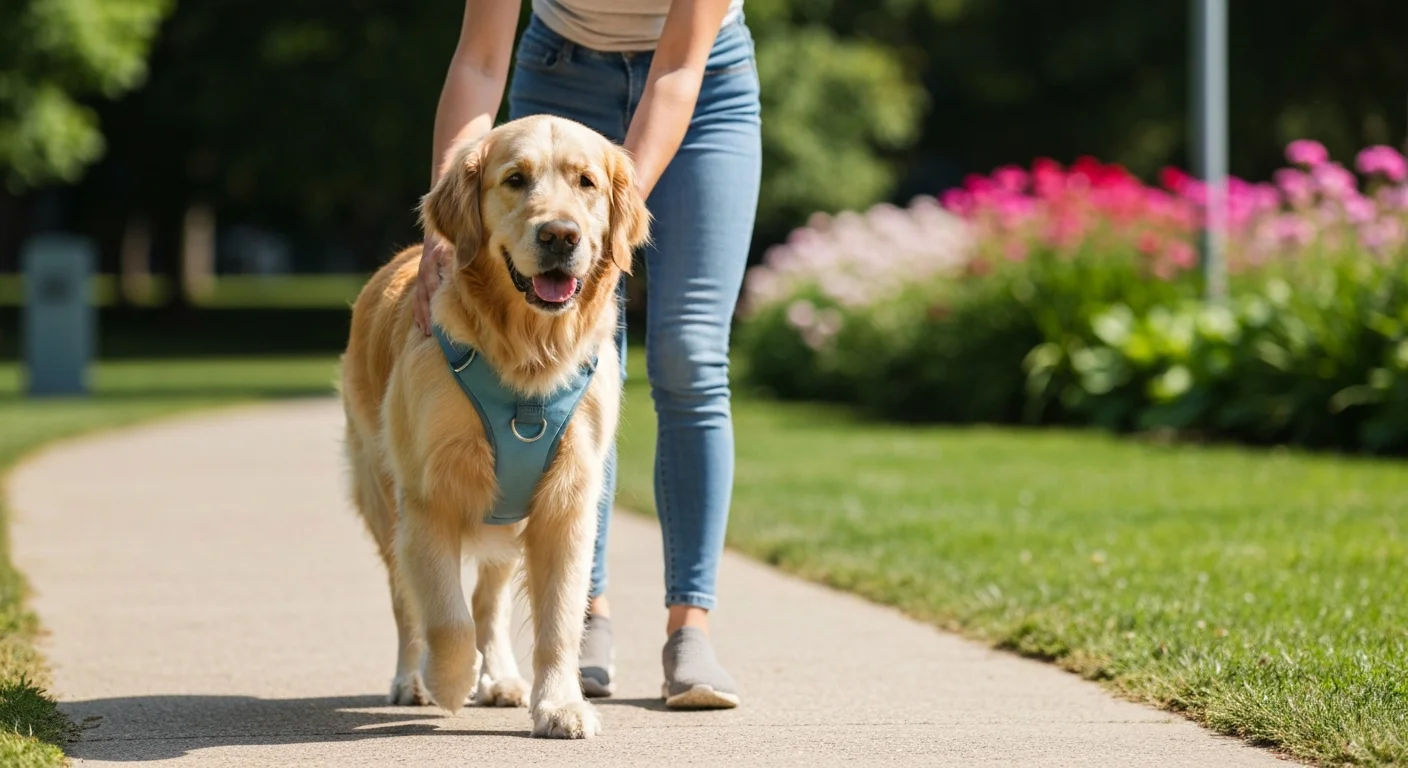
Short, controlled activity periods are beneficial. The nervous system benefits from appropriate stimulation during recovery. Gentle walks of five to ten minutes, several times daily, provide proprioceptive input that supports motor recovery without exhausting a dog whose neurological system is already working hard to reestablish normal function. As tolerance improves, duration can be gradually increased.
Nutritional support during recovery requires attention. Dogs who were comatose or semi-comatose during the acute phase may have received nutrition via feeding tube or intravenous glucose. Transitioning back to normal feeding should be gradual, starting with small amounts of highly digestible food. Nausea is common in the recovery phase. Eating lying down or in unusual positions may be necessary initially while the dog regains the coordination for normal feeding posture.
When to Seek Immediate Follow-Up
While most recovery trajectories are one of gradual improvement, there are specific scenarios that require immediate veterinary re-evaluation. Any sudden worsening after a period of improvement should be treated as an emergency — this can indicate new drug absorption from gastrointestinal sources if decontamination was incomplete, aspiration pneumonia from the recovery period, or an unrelated complication.
Sustained seizure activity or significant increase in tremor frequency after the acute phase should also prompt immediate re-evaluation. Some dogs develop transient seizure activity during recovery as cortical function returns in an uncoordinated way. This is manageable with appropriate anticonvulsant therapy but needs veterinary assessment to distinguish from other causes.
Recovery that shows no improvement over five to seven days in a dog who has been discharged from acute care warrants a consultation. This timeframe is sufficient to see meaningful early progress in most cases. Complete stagnation suggests either continued drug absorption, a secondary complication, or — rarely — a degree of neurological injury that may require a revised prognosis and more intensive rehabilitation planning.
Long-Term Prognosis and Return to Activity
The long-term prognosis for dogs who survive acute ivermectin toxicity is generally excellent for dogs who were otherwise healthy before exposure. Full return to pre-toxicity activity levels, including high-demand activities like agility competition, herding work, and other athletic pursuits, is achievable in most cases.
The timeline varies. Dogs with mild to moderate toxicity managed with early intervention typically return to full activity within four to eight weeks. Dogs who experienced severe toxicity with prolonged coma may require two to four months of gradual reconditioning before returning to strenuous activity. Some dogs are functionally normal for daily household life within two weeks but have subtle balance or coordination deficits that only become apparent during high-demand activities, which continue to improve for months.
Regular short-interval recheck examinations — every two to three weeks for the first two months after discharge — allow your veterinarian to track recovery objectively and identify any stagnation that might benefit from physical rehabilitation support. Canine physical rehabilitation practitioners can provide structured proprioceptive training and conditioning protocols that may accelerate recovery in dogs with significant residual deficits.
Preventing Recurrence
Every dog who recovers from ivermectin toxicity represents a prevention failure. The genetics were present, the risk was real, and the exposure occurred. After recovery, the priority is ensuring that exposure never happens again. This requires a comprehensive review of every medication the dog might receive and every environmental exposure they might encounter.
For dogs whose toxicity resulted from a household accident — access to livestock dewormers, topical products on other animals, or agricultural products — securing or removing the source entirely is essential. For dogs whose toxicity resulted from a prescribed medication, a review with the prescribing veterinarian about MDR1-safe alternatives needs to happen before any future treatments are planned.
The complete MDR1 drug list should become a reference document that accompanies your dog for every veterinary visit for the rest of their life. Recovery from ivermectin toxicity is possible and often complete. But the goal must be ensuring that every dog who recovers never needs to face that recovery again.