
She looked like a Labrador mix. A rescue from the shelter, medium-sized with a dark brindle coat, floppy ears, and the broad-headed appearance that shelter workers routinely code as "Lab cross." Her new owners took her home, fell in love, and six weeks later brought her to their veterinarian for her first wellness visit. The vet noticed the tail structure and the way she moved — something about the hindquarters, a low herding posture when startled. "Is there any chance she has some Border Collie in her?" he asked. The owners had no idea.
They ordered a DNA test. She was 38% Border Collie, 24% Australian Shepherd, and the rest a mix of livestock guardian breeds. She was also homozygous for the MDR1 mutation. The shelter had given her a standard intake deworming with ivermectin six weeks earlier. She had tolerated it — barely, the owners later realized, thinking back to a few days of unusual lethargy. On a higher dose, or if she had eaten anything from the neighbors' horse barn, the outcome could have been fatal.
The Scale of the Problem
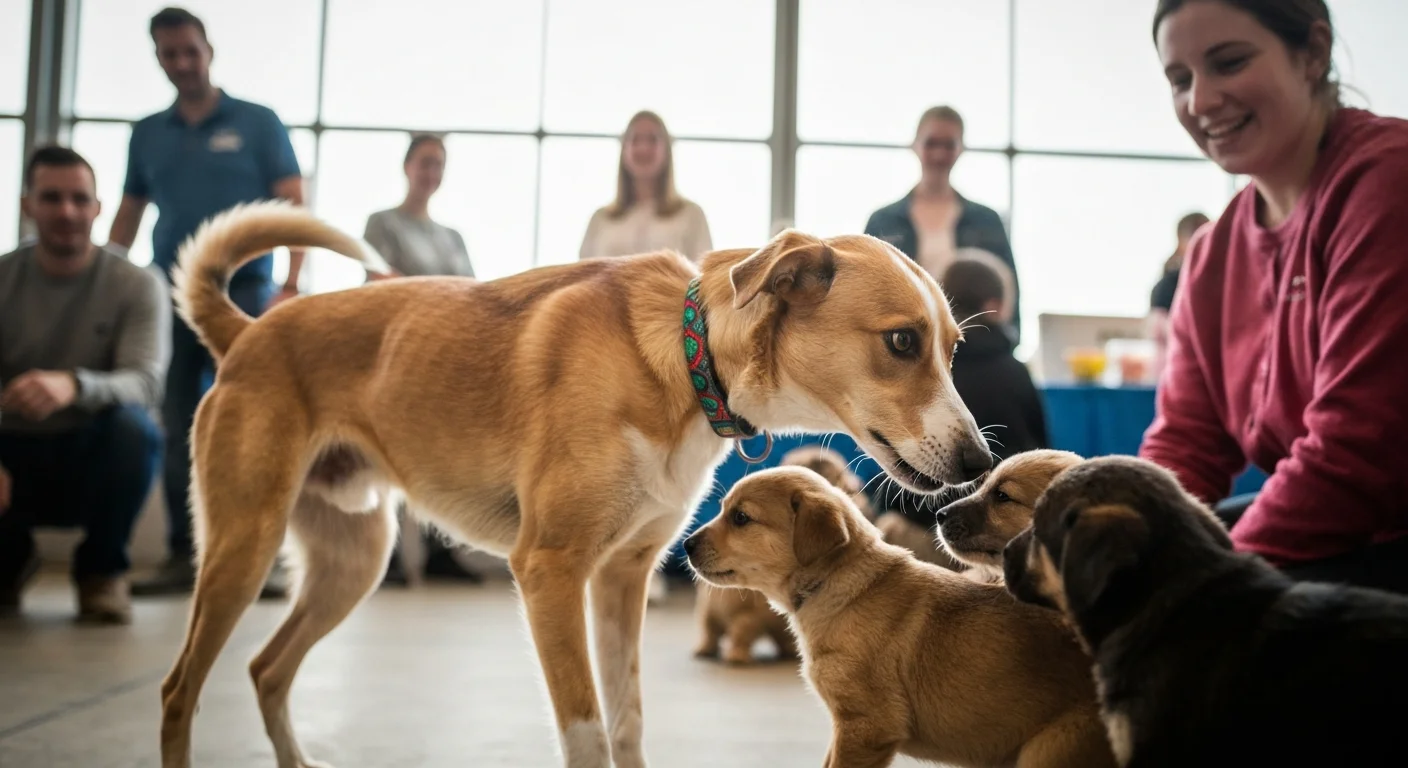
Purebred herding breeds attract most of the attention in MDR1 discussions, and appropriately so — the mutation rates in Collies, Australian Shepherds, and related breeds are staggeringly high. But the same genes that produce these breeds' herding ability also appear extensively in the mixed-breed population. Herding breeds are among the most common contributors to the mixed-breed gene pool in North America.
The mathematics are significant. Australian Shepherds carry the MDR1 mutation at approximately 50% frequency. Border Collies carry it at roughly 5-10%, but their population is enormous. Shetland Sheepdogs carry it at 15%. When these breeds have contributed genes to mixed-breed populations across multiple generations, the MDR1 allele propagates through dogs that show no obvious physical indicators of herding breed ancestry.
Studies of mixed-breed dogs at veterinary teaching hospitals have found MDR1 mutations in dogs identified as "Labrador mix," "pit bull mix," and "terrier cross" — designations based entirely on appearance. The mutation does not announce itself in coat color, body structure, or behavior. A dog can carry two copies of the mutant MDR1 allele and look completely unlike any recognized herding breed.
Why Shelter Intake Protocols Create Risk
Animal shelters operate under significant constraints of time, resources, and staff. Standard intake protocols for parasite management are designed to protect the shelter population, not to accommodate the individual drug sensitivities of each incoming dog. The default is often a macrocyclic lactone product — ivermectin or selamectin — because it covers a broad spectrum of external and internal parasites efficiently.
This protocol works adequately for most dogs. For MDR1-affected dogs, particularly those who are homozygous mutant, intake treatment with ivermectin at standard doses can cause subclinical neurological effects that are interpreted as stress, transport fatigue, or adaptation difficulties. The dog appears quiet and slightly lethargic. Staff interpret this as normal shelter adjustment. The dog recovers over several days as the ivermectin clears. No one recognizes that a drug sensitivity event has occurred.
For dogs who receive higher doses, or who are more severely affected, the shelter scenario becomes genuinely dangerous. A dog in a shelter cage cannot be monitored with the attention level available in a hospital setting. The clinical signs of early ivermectin toxicity — ataxia, mydriasis, drooling — can be missed entirely if staff do not know to look for them in the context of a recent deworming.
High-Risk Mixed Breed Indicators
Physical features that suggest herding breed ancestry: low head carriage when focused, stalking crouch behavior, herding behavior toward other animals or children, merle coloring or piebald patterning, almond-shaped eyes, highly mobile erect or semi-erect ears, light herding breed body structure. None of these are definitive. The only reliable indicator is genetic testing.
Visual Assessment Is Unreliable
The shelter industry and broader veterinary community rely heavily on visual breed assessment despite substantial evidence that it is highly inaccurate. Studies comparing visual assessment to DNA testing have consistently found that observers — even experienced veterinary professionals — correctly identify the dominant breed in a mixed-breed dog less than half the time. The MDR1-relevant herding breeds are particularly challenging because their physical features can be masked by contributions from non-herding breeds in the ancestry.
This means that relying on appearance to decide whether a rescue dog needs MDR1 testing before macrocyclic lactone treatment is an unreliable approach. A dog identified as a "pit mix" with short hair and stocky build could carry herding breed genetics in quantities sufficient to produce MDR1 sensitivity. There is no visual examination that can rule this out.
The practical implication is that genetic testing should be considered for any rescue dog before macrocyclic lactone treatment, not just those that look like herding breeds. The cost of testing is modest relative to the cost of emergency treatment for toxicity, and the information has lasting value for the dog's lifetime of veterinary care.
The Rescue Organization Responsibility
Rescue organizations that work specifically with herding breeds — Collie rescues, Australian Shepherd rescues, Border Collie sanctuaries — have largely adopted MDR1 testing as a standard practice. General purpose rescues and high-volume shelters face a more complex calculus: the testing cost per dog, multiplied across thousands of annual intakes, is not trivial.
However, a middle-ground approach is available and increasingly practical. Targeted testing of dogs showing any behavioral or physical indicators of herding ancestry is more cost-effective than universal testing while still catching the highest-risk population. DNA breed testing, which includes MDR1 screening, has become significantly less expensive and more accessible in recent years. Some shelters include genetic testing as part of the adoption package for dogs whose ancestry is uncertain.
Rescue organizations that adopt out dogs without MDR1 testing should at minimum provide adopters with educational materials about MDR1 risk, the breeds that carry the mutation, and the recommendation to test before any macrocyclic lactone treatment. This shifts the decision point to the adopter and their veterinarian, which is not ideal but is substantially better than adopters receiving no information at all.
Testing Options for Rescue Dogs
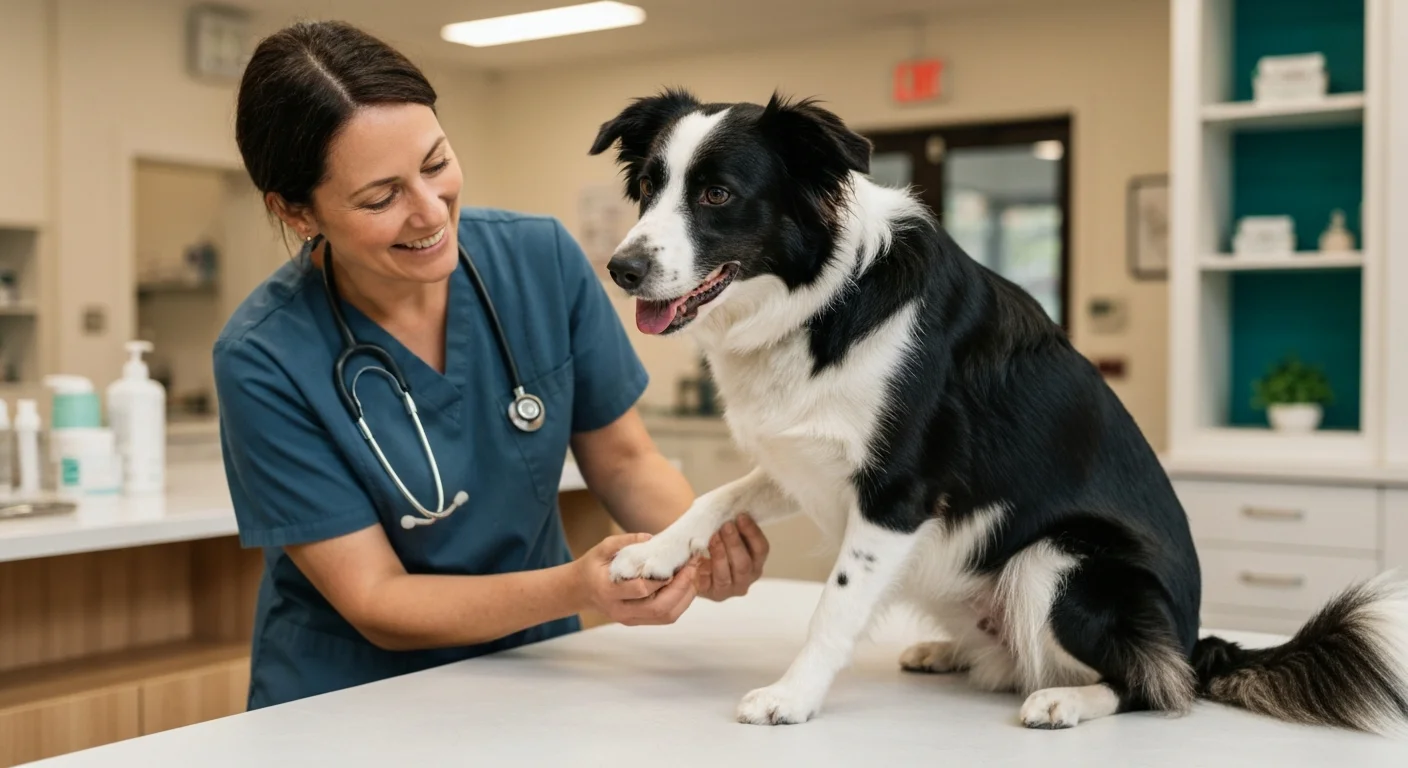
MDR1 genetic testing for individual dogs is available from several laboratories that accept either cheek swab or blood samples. Testing for newly adopted rescue dogs is straightforward: a cheek swab collected at the first veterinary visit, mailed to the laboratory, with results typically available in one to two weeks. During that waiting period, avoiding all macrocyclic lactone products is the safe approach.
Full breed DNA panels that include MDR1 testing are available at similar price points to MDR1-only tests and provide additional information about ancestry that can help owners understand other breed-specific health considerations. For rescue dogs of unknown ancestry, the combination of breed identification and MDR1 status represents valuable lifetime health information.
For a detailed explanation of how MDR1 tests work and how to interpret the results, the guide to MDR1 testing covers all the laboratory options, sample collection procedures, and result interpretation for every possible genotype.
Communicating Risk to New Rescue Adopters
Adopters of rescue dogs with unknown breed backgrounds benefit from education about MDR1 even if testing has not been completed. The key points are accessible enough to convey in a one-page handout included with adoption paperwork: what breeds carry the MDR1 mutation, what the mutation means for drug selection, which medications to avoid until testing confirms the dog's status, and where to get the test.
Adopters who understand MDR1 risk are empowered to protect their dogs proactively rather than learning about the condition only after an adverse drug event. The conversation is straightforward: your dog may have herding breed ancestry, herding breeds can carry a gene mutation that makes certain common medications dangerous, testing is simple and inexpensive, and until you test, avoid these specific medications.
For owners who want comprehensive guidance on protecting their dog at home, the home safety guide for MDR1 dogs covers environmental hazards including livestock products that may be present in rural or semi-rural homes and neighborhoods.
The Epidemiology of Invisible Risk
The MDR1 mutation in the mixed-breed population represents a public health challenge for veterinary medicine precisely because it is invisible. Purebred Collie owners are increasingly likely to have their dogs tested. Mixed-breed dog owners have no comparable cultural prompt. The dog that looks like a Labrador does not trigger the mental association with herding breed drug sensitivity, and the veterinarian who sees a Labrador-looking dog may not think to raise MDR1 in the wellness conversation.
Building awareness of MDR1 risk in the mixed-breed population requires a shift from visual triggers to systematic testing. Every dog of uncertain ancestry is a candidate for MDR1 testing, regardless of appearance. Every veterinarian who sees rescue dogs should include MDR1 status in the preventive care discussion. Every shelter and rescue organization should incorporate MDR1 information into their adoption processes.
The resources exist to prevent virtually all MDR1-related drug toxicity deaths. The challenge is making sure those resources reach the dogs and owners who need them most — including the millions of mixed-breed dogs whose genetic heritage makes them vulnerable in ways their appearance never reveals.