
A neurologist colleague called me two years ago with an interesting and troubling case. An Australian Shepherd with idiopathic epilepsy had been well-controlled on phenobarbital for three years. The owner, during a routine parasite prevention discussion, mentioned that a previous veterinarian had told them the dog was an MDR1 carrier. The neurologist wanted to know whether this was relevant to the anticonvulsant protocol or whether MDR1 concerns were limited to macrocyclic lactones.
The answer, as I explained, is more nuanced than either yes or no. MDR1 drug sensitivity extends well beyond ivermectin and its relatives. The implications for seizure management in affected dogs are real, though less straightforward than the macrocyclic lactone risk. Understanding which anticonvulsants interact with P-glycoprotein, and how, is essential for any neurologist or general practitioner managing epilepsy in herding breeds.
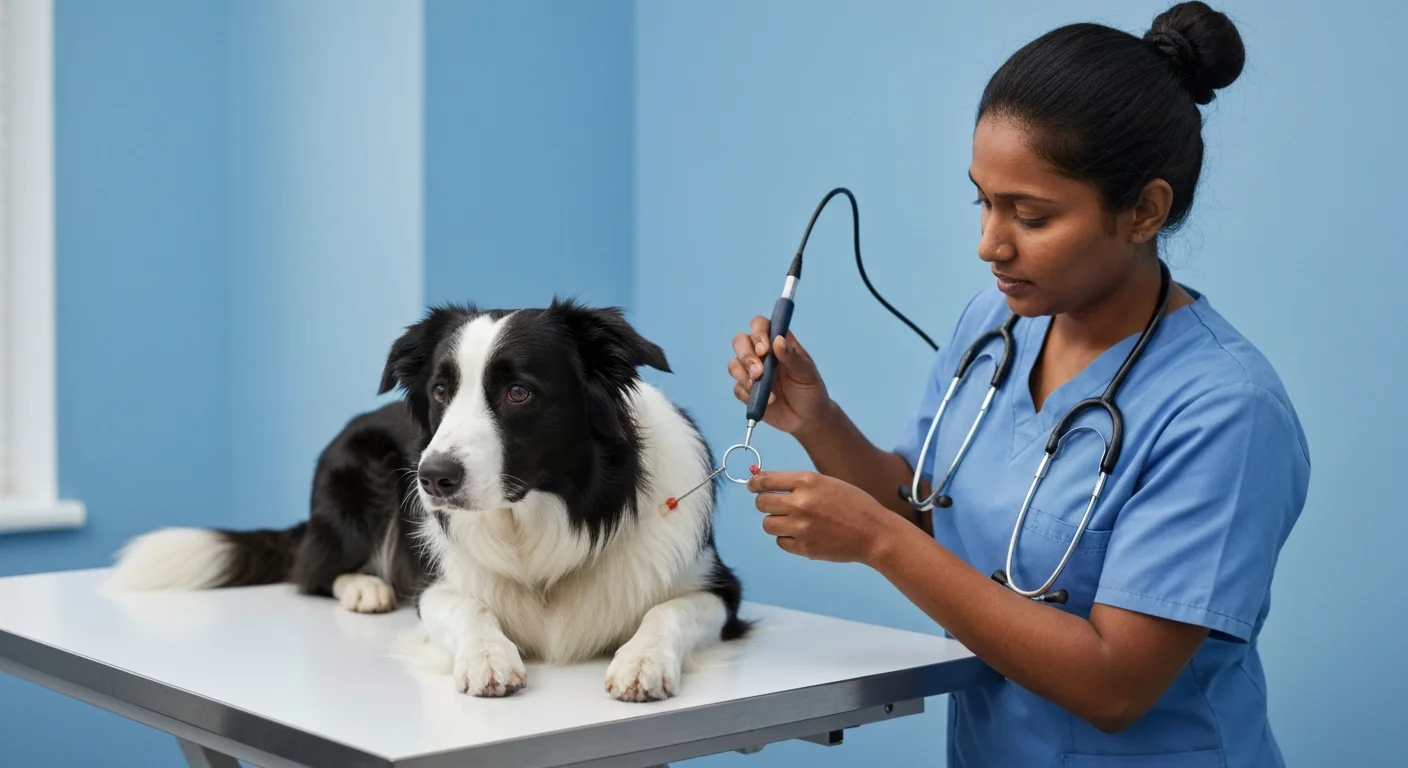
P-Glycoprotein and Anticonvulsant Drugs
P-glycoprotein, the protein encoded by the MDR1/ABCB1 gene, is an efflux transporter that moves substrates out of cells across various biological barriers including the blood-brain barrier. Its function is not limited to expelling foreign chemicals. It actively regulates the CNS penetration of numerous therapeutic compounds, including many drugs used in seizure management.
The relationship between P-glycoprotein and anticonvulsants is bidirectional in a clinically relevant way. Some anticonvulsants are substrates of P-glycoprotein, meaning their CNS penetration is influenced by pump function. Others affect P-glycoprotein expression or inhibit its function, which can indirectly alter the disposition of other drugs the patient is receiving. In an MDR1-affected dog, both of these relationships operate in an altered context.
Phenobarbital, the most commonly used anticonvulsant in veterinary medicine, is not a primary P-glycoprotein substrate at therapeutic doses. The clinical implication is that phenobarbital dosing in MDR1-affected dogs does not typically require modification based on MDR1 status alone. The therapeutic drug monitoring that guides phenobarbital management remains the primary dosing tool regardless of MDR1 genotype.
Drugs Requiring Caution in MDR1-Affected Epileptic Dogs
Diazepam and related benzodiazepines are P-glycoprotein substrates. In dogs without MDR1 mutations, P-glycoprotein in the blood-brain barrier limits CNS penetration of benzodiazepines to some extent. In MDR1-affected dogs, this limitation is reduced or absent, meaning that the CNS concentration achieved by a given intravenous or intranasal benzodiazepine dose may be higher than expected.
Clinically, this means that MDR1-affected dogs receiving benzodiazepines for cluster seizure management or status epilepticus may show more pronounced CNS depression at standard doses than their non-affected counterparts. This can manifest as prolonged sedation, respiratory depression, or more complete CNS suppression than anticipated. Starting at the lower end of the therapeutic dose range and titrating carefully is prudent in affected dogs.
Midazolam, used increasingly as an alternative to diazepam for intranasal emergency seizure management, has similar P-glycoprotein substrate properties. The same caution about enhanced CNS penetration in MDR1-affected dogs applies. Owners who carry intranasal midazolam for emergency home management of cluster seizures should discuss with their neurologist whether dose adjustment is indicated based on their dog's MDR1 status.
Anticonvulsant MDR1 Risk Summary
Generally safe (not significant P-glycoprotein substrates): Phenobarbital, levetiracetam (Keppra), zonisamide, potassium bromide. Use with MDR1-aware monitoring: Diazepam, midazolam (enhanced CNS penetration possible — monitor for excessive sedation). Avoid at high doses in M/M dogs: Certain multi-drug anesthesia combinations that include P-glycoprotein substrates alongside anticonvulsants. Always consult a veterinary neurologist for MDR1-affected dogs requiring multi-drug anticonvulsant protocols.
Levetiracetam: The MDR1-Friendly Anticonvulsant
Levetiracetam (sold under the brand name Keppra) has become an important anticonvulsant in veterinary medicine for several reasons, one of which is its favorable pharmacokinetic profile in MDR1-affected animals. Levetiracetam is not a significant P-glycoprotein substrate and does not substantially interact with the MDR1 pump pathway. Its efficacy and safety are not meaningfully altered by MDR1 status.
For neurologists managing epilepsy in herding breed dogs with known or suspected MDR1 mutations, levetiracetam represents a particularly useful option either as a sole agent or in combination with phenobarbital. The absence of MDR1-related pharmacokinetic complications simplifies dosing and monitoring. Therapeutic drug monitoring for levetiracetam is less well-established than for phenobarbital, but standard dosing protocols are generally reliable across MDR1 genotypes.
Zonisamide is another anticonvulsant that does not substantially interact with P-glycoprotein and can be used safely in MDR1-affected dogs. It is often considered as an alternative when phenobarbital therapy proves inadequate or causes unacceptable side effects. Its metabolism through hepatic pathways does not involve MDR1-relevant mechanisms, and its efficacy is consistent across MDR1 genotypes.
Emergency Seizure Management Complications
The emergency seizure scenario creates particular challenges for MDR1-affected dogs. Status epilepticus requires rapid intervention with whatever agents are available and effective at terminating seizure activity. In this context, the MDR1-related considerations about benzodiazepine dosing must be balanced against the immediate neurological harm of uncontrolled seizures.
Emergency practitioners treating MDR1-affected dogs in status epilepticus should use standard therapeutic doses of benzodiazepines while being prepared for enhanced CNS depression and monitoring respiratory function closely. The risk of untreated status epilepticus significantly outweighs the risk of managed excess sedation from benzodiazepine therapy. The MDR1 consideration in this context is primarily about monitoring and support, not about dose restriction.
For planned emergency kits that owners of MDR1-affected epileptic dogs carry at home, the medication choices and doses should be individualized with their managing neurologist. A one-size protocol does not serve MDR1-affected dogs well in this specific situation. A written emergency protocol tailored to the dog's MDR1 status and seizure history is far more valuable than a generic recommendation.
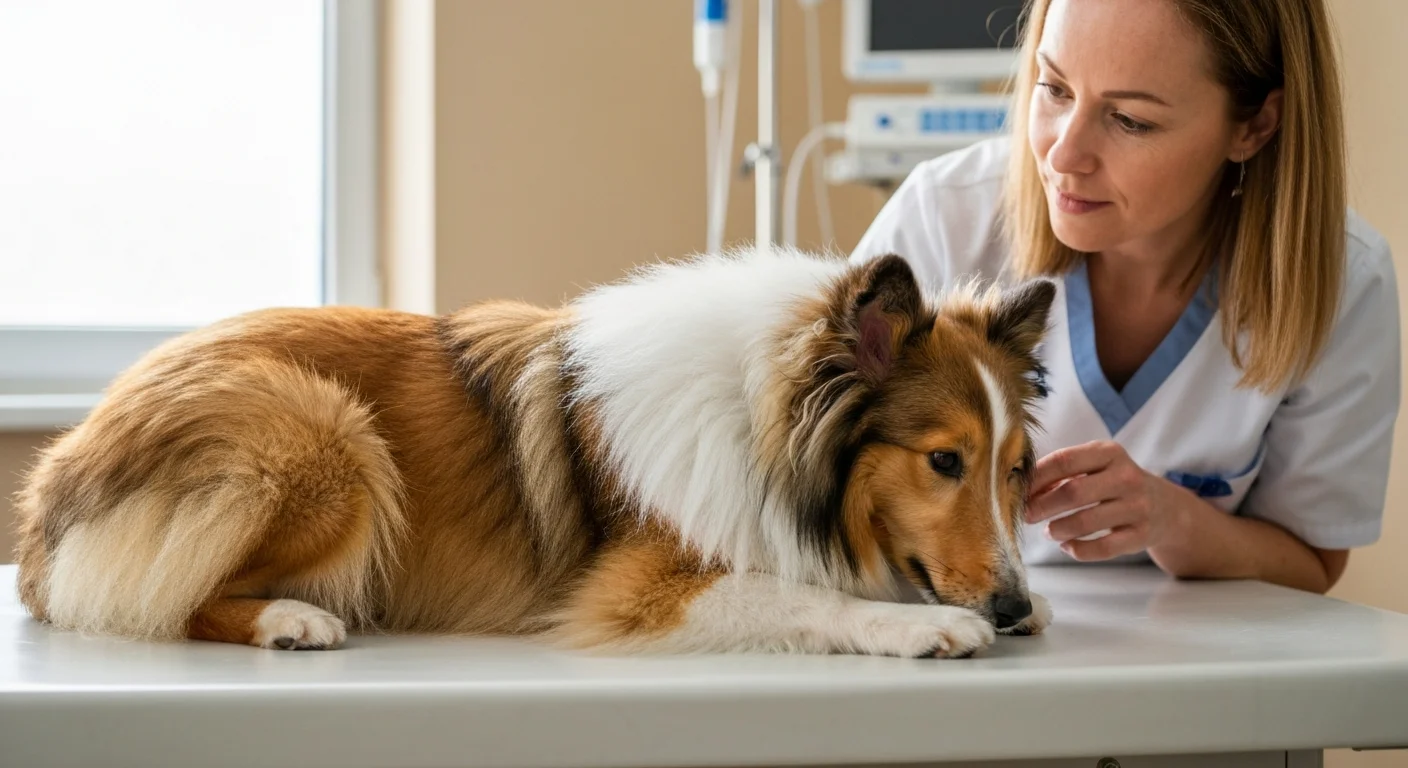
Distinguishing Epileptic Seizures from MDR1 Toxicity Seizures
In MDR1-affected dogs with known epilepsy, a new or worsening seizure episode presents a diagnostic challenge. The question is whether the seizure represents a failure of anticonvulsant therapy, an evolution of the underlying epilepsy, or CNS signs from an MDR1-related drug exposure. The distinction matters because the treatment approaches differ substantially.
The history is the key differentiator. Recent medication changes, new topical treatments, changes in household chemical products, access to agricultural areas, or other animals in the household receiving macrocyclic lactone treatments are all exposure risks that could precipitate MDR1-related toxicity even in a dog with a concurrent epilepsy diagnosis. The clinical signs of ivermectin toxicity include mydriasis, ataxia, and excessive salivation in addition to seizure activity — a constellation that may help distinguish toxicity from primary epileptic events.
An MDR1-affected dog with epilepsy who presents with seizures, dilated pupils, and marked ataxia in the absence of any documented epileptic episode history should prompt a toxicology workup including macrocyclic lactone serum levels. Treating the presentation as pure epilepsy breakthrough without considering drug toxicity is a diagnostic error that delays appropriate treatment.
Communication with the Neurology Team
Veterinary neurologists who are managing long-term anticonvulsant therapy in herding breed dogs may not consistently integrate MDR1 status into their treatment decisions unless it is explicitly raised. At every neurology consultation, the dog's MDR1 status should be part of the intake information provided. If the dog has not been tested, neurology consultation is an appropriate time to discuss testing and its implications for anticonvulsant selection.
Owners who have had their MDR1-affected dogs enrolled in epilepsy management should also ensure that any other veterinarian who might prescribe medications for their dog — a visiting locum, an emergency clinic, a specialist in a different discipline — is informed of the MDR1 status. The complete picture of the drugs that require caution or avoidance extends well beyond anticonvulsants and is relevant to every prescribing encounter the dog will have.
Special Considerations for Post-Toxicity Seizures
Dogs recovering from ivermectin toxicity sometimes develop transient seizure activity during the recovery phase. This represents a distinct clinical situation from primary epilepsy. The mechanism relates to the uneven restoration of cortical function as ivermectin clears — some areas resume excitatory function before inhibitory tone is fully restored, creating a pro-convulsant window.
Managing these post-toxicity seizures requires careful selection of anticonvulsants that are safe in the MDR1-affected patient while also being effective for the specific seizure pattern. Levetiracetam is often the preferred agent in this setting precisely because it does not carry MDR1 interaction concerns. Phenobarbital is also appropriate. Benzodiazepines may be used for acute seizure control with MDR1-aware monitoring.
Post-toxicity seizures generally resolve as the drug fully clears, and anticonvulsant therapy may not need to be maintained long-term. The decision about whether to continue anticonvulsants beyond the immediate post-toxicity period should be made with a veterinary neurologist based on seizure frequency, severity, and pattern. For more information on the recovery process overall, the neurological recovery guide covers the full timeline and management approach for post-toxicity care.