
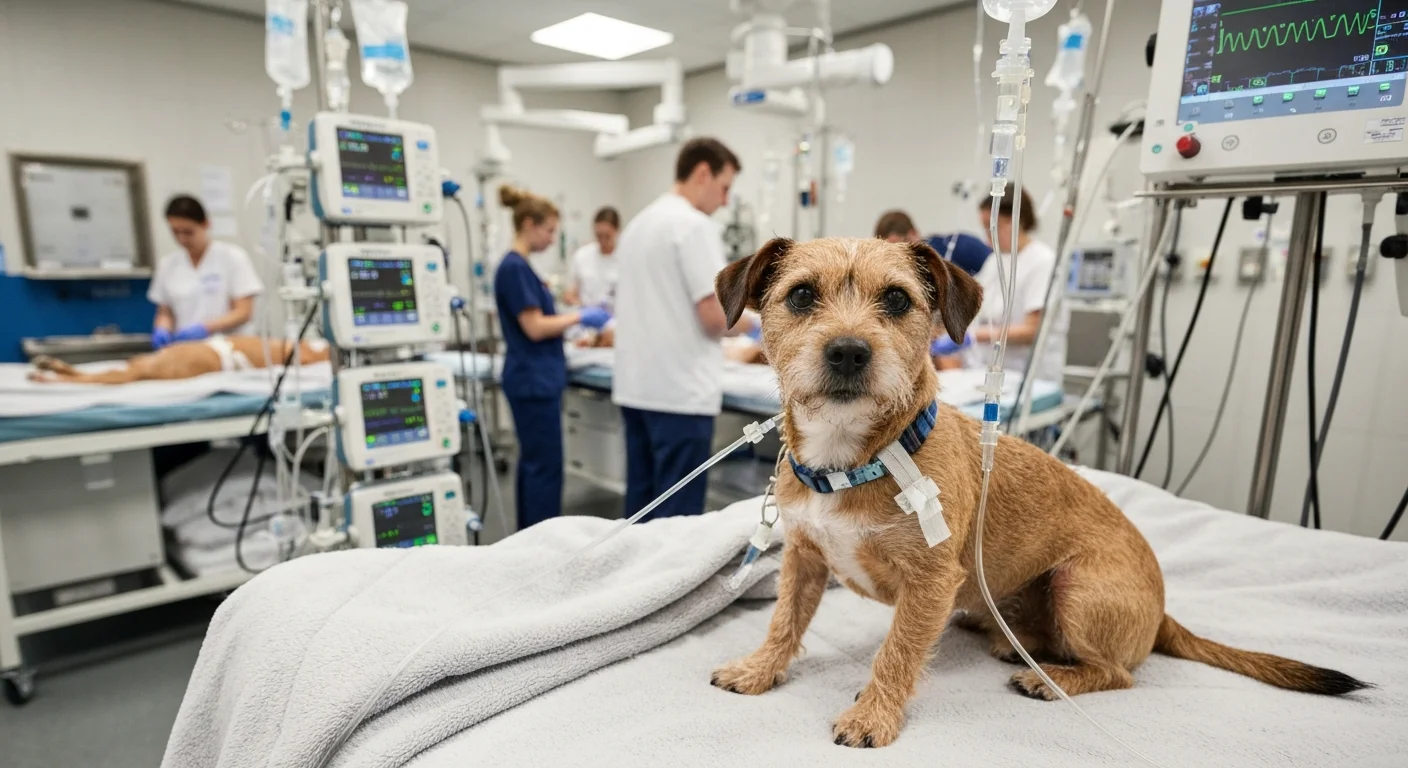
For most of my career in veterinary toxicology, severe ivermectin toxicity cases were managed with supportive care and waiting. Intravenous fluids, temperature regulation, respiratory support, seizure management as needed, nutritional support through feeding tubes in comatose patients — all of this was appropriate and sometimes life-saving. But we had nothing that directly addressed the ivermectin concentration in the brain. We were managing symptoms while the drug slowly cleared on its own timeline.
The introduction of intravenous lipid emulsion therapy — first reported in veterinary medicine for local anesthetic toxicity and later applied to lipophilic drug overdoses including ivermectin — changed that picture. Not dramatically and not in every case, but in the subset of severe cases where reducing drug CNS concentration can mean the difference between a five-day ICU stay and a much longer and more uncertain course, lipid emulsion has become a meaningful tool.
Understanding what lipid emulsion does, what the evidence actually shows, and where its limitations lie helps owners and practitioners set realistic expectations and make informed decisions about its use in severe MDR1 toxicity cases.
The Mechanism: The Lipid Sink Theory
Ivermectin is highly lipophilic — it has a strong affinity for fatty tissue. This lipophilicity is why it accumulates in the brain: neural tissue is lipid-rich, and ivermectin partitions into it readily once the P-glycoprotein barrier is compromised. It is also why ivermectin has a long half-life; the drug distributes extensively into fat stores and is released slowly back into circulation over days.
Intravenous lipid emulsion works by creating what researchers call a "lipid sink" in the bloodstream. When a concentrated lipid emulsion is infused intravenously, it creates a lipid phase in the blood plasma that can sequester lipophilic drugs. The theory is that ivermectin and other lipophilic toxins redistribute from aqueous tissues, including the brain, into this lipid phase. This redistribution reduces the effective concentration of the drug in the CNS, potentially alleviating toxicity even before the drug is metabolized.
The mechanism may also involve other processes beyond simple lipid partitioning. Some research suggests that lipid emulsions directly affect cardiac and neurological function through metabolic effects independent of drug sequestration. The interaction between lipid emulsion and P-glycoprotein expression is also being investigated. The complete mechanism is probably multifactorial, but the lipid sink effect is the most clearly supported component for lipophilic toxin cases.
Clinical Evidence in Veterinary Medicine
The evidence base for lipid emulsion therapy in veterinary ivermectin toxicity consists primarily of case reports and small case series, with some prospective and retrospective comparative analyses. Randomized controlled trials, the gold standard for therapeutic evidence, do not exist for this application due to the ethical and practical challenges of conducting controlled drug toxicity studies. The evidence is therefore at the case-series and comparative cohort level, which has real limitations but is not negligible.
Multiple published case reports describe successful outcomes in dogs with severe ivermectin toxicity following lipid emulsion administration. Cases where dogs were comatose or near-comatose showed measurable improvement — increased responsiveness, improved neurological scores — within hours of lipid emulsion infusion. Several reports describe dogs that survived with lipid emulsion treatment who the treating clinicians believed would likely not have survived with supportive care alone given the severity of their presentation.
Comparative analyses have generally found shorter hospitalization times and lower mortality rates in lipid emulsion-treated groups compared to historical controls receiving only supportive care. These comparisons are confounded by historical differences in overall supportive care quality and selection bias in which cases received lipid emulsion, but the signal is consistent enough to inform clinical practice.
Standard ILE Protocol for Ivermectin Toxicity
Product: 20% lipid emulsion (Intralipid or equivalent). Bolus dose: 1.5 mL/kg IV over 15 minutes. Continuous infusion: 0.25 mL/kg/minute for 30-60 minutes after bolus, or until clinical improvement is noted. Maximum total dose: 8 mL/kg. Repeat protocol: May be repeated once at 2-4 hours if initial response is partial. Monitor for adverse effects including lipemia, pancreatitis, pulmonary embolism. These are standard starting parameters; individual case management should involve a veterinary toxicologist.
Patient Selection: Who Benefits Most
Lipid emulsion therapy is not indicated for every ivermectin toxicity case. Mild cases with low-dose exposures and minimal clinical signs will likely resolve with supportive care alone. The cost and logistical requirements of ILE administration, along with the potential adverse effects, make it disproportionate for mild presentations.
The cases that benefit most from lipid emulsion appear to be those involving moderate to severe CNS depression, exposures to very high doses such as livestock product ingestion, early-presentation cases where redistribution can prevent peak CNS concentration, and cases where respiratory support capacity is limited and reducing CNS ivermectin burden could reduce the need for prolonged ventilatory support.
Timing matters. Lipid emulsion is more effective when administered before the drug has fully distributed to its equilibrium state in CNS tissues. This means early intervention — within the first several hours of exposure or of clinical sign onset — is likely to produce better results than delayed administration in a dog that has been symptomatic for 24 hours. For guidance on recognizing the clinical stages where intervention is most useful, the clinical signs guide covers the progression of ivermectin toxicity and the clinical windows for different interventions.
Potential Adverse Effects and Monitoring
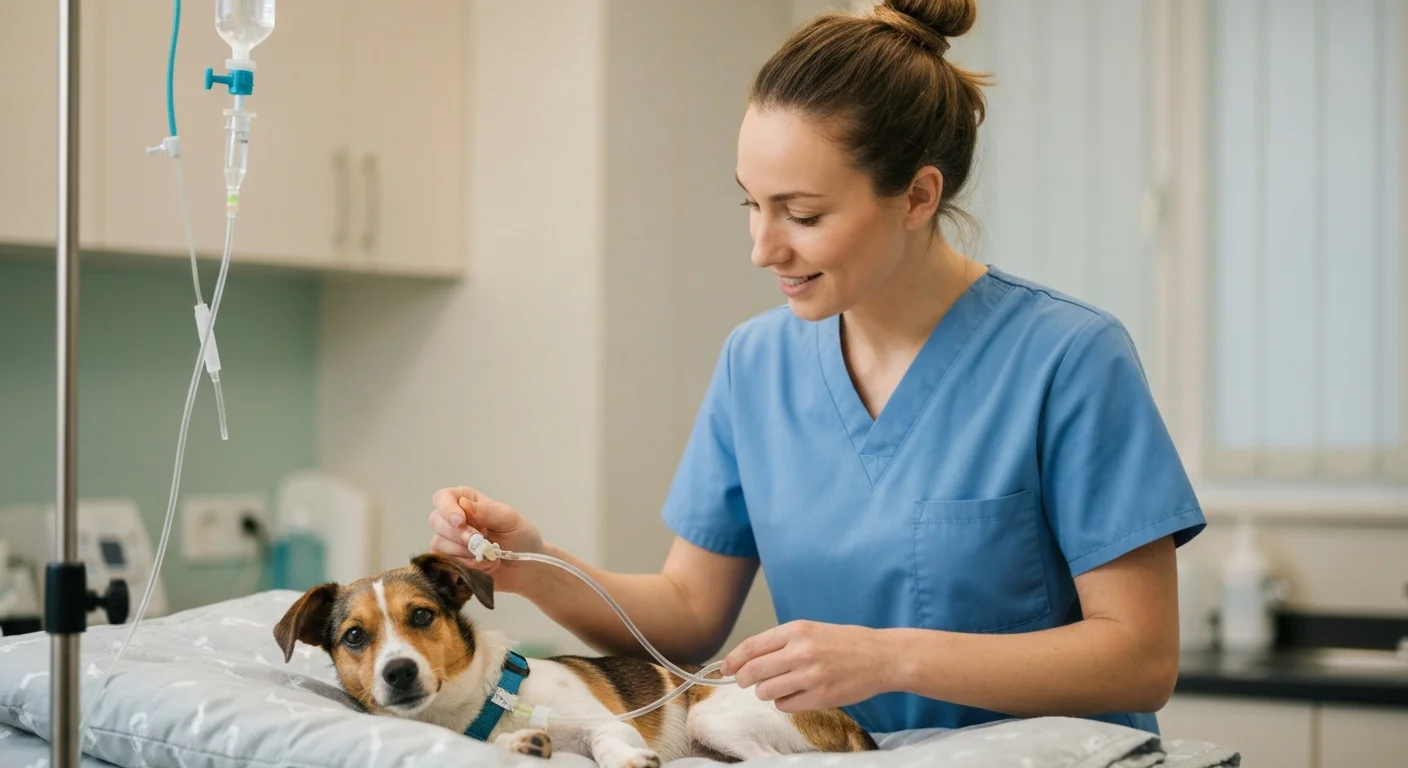
Lipid emulsion therapy is not without risks. Lipemia — elevated fat content in the blood — is an expected effect and is generally temporary, but it can interfere with laboratory test interpretation during the treatment period. More serious potential adverse effects include pancreatitis, fat overload syndrome, pulmonary lipid embolism, and interference with coagulation. These complications are uncommon when appropriate doses and infusion rates are used, but they require monitoring.
Dogs with pre-existing conditions that affect fat metabolism — pancreatitis history, hyperlipidemia, hepatic lipidosis — are at higher risk for adverse effects from lipid emulsion and require particularly careful patient selection and monitoring. In dogs with these conditions, the benefit-risk calculation for ILE administration is more complex and warrants consultation with a veterinary internist alongside the toxicology assessment.
Post-infusion monitoring should include serum triglycerides and lipase, complete blood count, and clinical monitoring for respiratory changes that might indicate pulmonary complications. Most of these adverse events are manageable if detected early, which reinforces the importance of in-hospital monitoring during and after ILE administration.
Availability and Practical Considerations
Lipid emulsion products appropriate for intravenous use — Intralipid 20% is the most common — are generally available at veterinary teaching hospitals and well-equipped specialty or emergency practices. General practice veterinarians in rural settings may not have lipid emulsion in stock. This is a practical constraint that affects when and where ILE can be used for ivermectin toxicity cases.
Owners whose MDR1-affected dogs live in rural areas distant from specialized veterinary emergency facilities should be aware of this gap. Discussing the potential need for lipid emulsion therapy in advance with your veterinarian — asking whether they stock it or whether they would be able to obtain it in an emergency — is part of emergency preparedness for high-risk MDR1 dogs. Some practices in herding-breed-heavy communities have begun stocking lipid emulsion specifically because of its value in these cases.
The complete treatment protocol context for ivermectin overdose management, of which ILE is one component, is covered in the comprehensive treatment protocol guide. ILE fits within a broader supportive care approach that includes decontamination when indicated, seizure management, thermoregulation, respiratory support, and nutritional support for prolonged cases.
Research Directions and Future Developments
The evidence base for lipid emulsion in veterinary toxicology continues to develop. Ongoing research is investigating optimal dosing protocols, the specific patient characteristics that predict response, the comparative efficacy against other lipid-based interventions, and the longer-term outcomes in lipid emulsion-treated toxicity cases.
Research in human medicine on lipid emulsion for lipophilic drug toxicity has informed veterinary practice and will continue to do so. Investigations into alternative lipid formulations, combination approaches with other interventions, and better characterization of the drug redistribution kinetics are all active areas that may refine how lipid emulsion is used in veterinary MDR1 toxicity cases over the coming years.
For practitioners managing these cases now, the existing evidence is sufficient to support ILE as a reasonable intervention in moderate to severe ivermectin toxicity cases in MDR1-affected dogs. The mechanism is biologically plausible, the clinical evidence is consistent with benefit, and the risks are manageable with appropriate monitoring. It is not a cure and it does not eliminate the need for comprehensive supportive care, but as part of a complete treatment approach, it represents a meaningful advance in our ability to manage these cases.
Communicating About ILE With Your Emergency Veterinarian
If your MDR1-affected dog is ever seen for suspected ivermectin toxicity, asking specifically about lipid emulsion availability and whether it is indicated for your dog's presentation is appropriate. Emergency practitioners who are not specialized toxicologists may not automatically consider ILE, particularly if the presenting clinical picture appears manageable with standard supportive care.
The conversation can be straightforward: "I know this is a case of macrocyclic lactone toxicity in an MDR1-affected dog. Is ILE available here, and is it indicated for this presentation?" This frames the question specifically and shows that you understand the context. Even if the answer is that ILE is not indicated or available, the conversation ensures the option has been considered and documented rather than overlooked.
Understanding the treatment options available for ivermectin toxicity is part of being prepared to advocate effectively for your dog in an emergency. That preparedness starts with knowing your dog's MDR1 status — the foundation of every subsequent medication and treatment decision throughout their life.