
The Collie came in for a routine spay. The surgical team followed their standard protocol: acepromazine for pre-medication, propofol for induction, isoflurane for maintenance, and butorphanol for post-operative pain control. Textbook procedure. Except the dog did not wake up on schedule. Two hours after the last suture, she remained profoundly sedated. Her pupils were sluggish. Her respiratory rate was hovering around eight breaths per minute. What should have been a straightforward recovery turned into an overnight observation stay.
Nobody had checked her MDR1 status. Nobody had considered that acepromazine and butorphanol, both P-glycoprotein substrates, would have exaggerated and prolonged effects in a dog who could not pump those drugs out of her brain at a normal rate. She recovered fully, but the experience frightened her owners and added unnecessary risk and expense to what should have been a routine procedure.
Every dog will eventually need anesthesia, whether for spaying or neutering, dental cleaning, tumor removal, or emergency surgery. For MDR1-affected dogs, the anesthetic plan requires thoughtful modification. The good news is that safe protocols exist and most veterinary teams can accommodate MDR1 status with simple adjustments. The bad news is that too many procedures still happen without anyone asking the question.
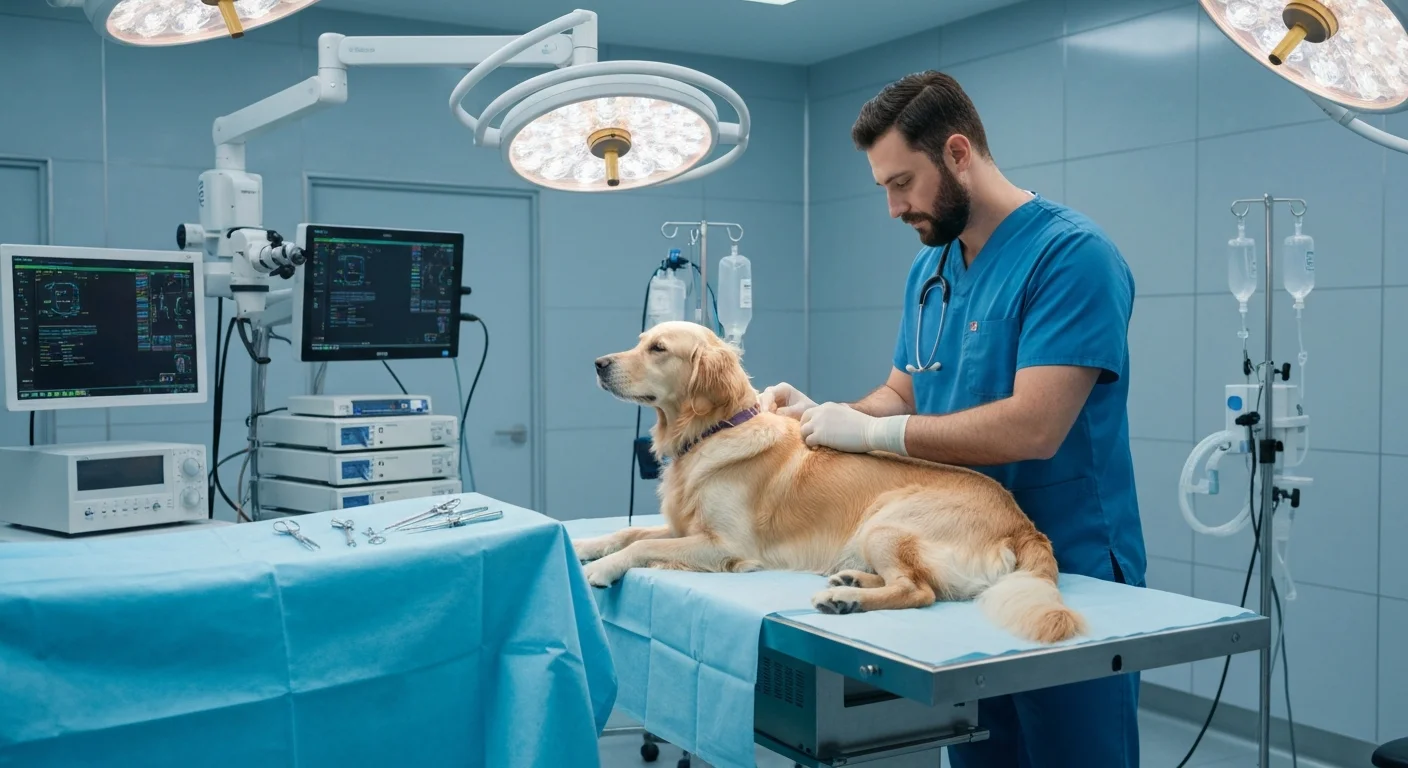
Which Anesthetic Drugs Are Affected?
Not every drug used in anesthesia interacts with P-glycoprotein. In fact, most of the core anesthetic agents are perfectly safe for MDR1-affected dogs. The problems arise with specific pre-medications, sedatives, and analgesics that happen to be P-glycoprotein substrates. Understanding how absent P-glycoprotein leads to drug accumulation in the brain helps explain why these particular drugs cause exaggerated effects in affected dogs.
Acepromazine: The Most Common Problem
Acepromazine is a phenothiazine tranquilizer used routinely as a pre-anesthetic medication. It is one of the most commonly used drugs in veterinary practice and also one of the most frequently implicated in prolonged sedation events in MDR1 dogs. P-glycoprotein normally limits acepromazine's penetration into the central nervous system. Without functional pumps, the drug reaches higher brain concentrations and lingers longer than expected.
In MDR1-affected dogs, standard acepromazine doses can produce sedation lasting 12 to 24 hours instead of the typical 3 to 6 hours. The sedation is often deeper than intended, with more pronounced cardiovascular depression including significant hypotension. Dogs may appear almost anesthetized from what should have been a mild sedative dose.
My recommendation is straightforward: do not use acepromazine in known MDR1-affected dogs unless there is a compelling reason and no alternative. If it must be used, reduce the dose by at least 50 percent and be prepared for prolonged effects. Better alternatives exist for virtually every clinical situation where acepromazine would typically be chosen.
Butorphanol: Prolonged Analgesia with a Catch
Butorphanol is an opioid analgesic commonly used for mild to moderate pain control and as part of balanced anesthesia protocols. It is a P-glycoprotein substrate, and MDR1-affected dogs may experience more intense and longer-lasting sedation and respiratory depression from standard doses.
The effects of butorphanol in MDR1 dogs are generally less dramatic than acepromazine, but they are clinically relevant. A dog expected to be bright and alert two hours after a butorphanol injection may still be noticeably sedated four to six hours later. Respiratory depression, usually mild with butorphanol in normal dogs, can be more pronounced.
Butorphanol can still be used in MDR1 dogs with dose reduction, typically starting at 50 to 75 percent of the standard dose. However, given that equally effective alternatives exist, many anesthesiologists prefer to avoid it entirely in confirmed M/M dogs.
Drugs That Are Safe
The majority of anesthetic drugs used in modern veterinary practice are not significantly affected by MDR1 status. This gives anesthesiologists considerable flexibility in designing safe protocols.
- Propofol: Safe for induction. Not a significant P-glycoprotein substrate. Standard dosing applies.
- Isoflurane and sevoflurane: Inhalant anesthetics are safe. Metabolism and elimination do not depend on P-glycoprotein.
- Dexmedetomidine: An excellent alternative to acepromazine for sedation and pre-medication. Not a P-glycoprotein substrate. Provides reliable sedation with the advantage of being reversible with atipamezole.
- Midazolam and diazepam: Benzodiazepines are safe and commonly used in anesthetic protocols. Standard dosing applies.
- Ketamine: Not a P-glycoprotein substrate. Safe at standard doses for MDR1 dogs.
- Hydromorphone and methadone: These full mu-opioid agonists have less P-glycoprotein interaction than butorphanol and are often preferred for moderate to severe pain in MDR1 dogs.
- Carprofen and meloxicam: NSAIDs for post-operative pain do not interact with P-glycoprotein. Standard dosing applies.
- Local anesthetics (lidocaine, bupivacaine): Regional nerve blocks and epidurals are excellent for surgical pain and completely unaffected by MDR1 status.
MDR1-Safe Anesthesia Protocol Example
Pre-medication: Dexmedetomidine (5-10 mcg/kg IM) + hydromorphone (0.05-0.1 mg/kg IM)
Induction: Propofol (4-6 mg/kg IV to effect)
Maintenance: Isoflurane or sevoflurane in oxygen
Intraoperative analgesia: Local nerve block with bupivacaine where applicable
Post-operative pain: Carprofen (4.4 mg/kg SC) + tramadol if additional analgesia needed
Pre-Surgical Communication: What to Tell Your Veterinarian
If your dog is scheduled for any procedure requiring sedation or anesthesia, their MDR1 status should be communicated to the veterinary team before the day of surgery, not on the morning of the procedure when the team is already preparing their drug draws.
Call the clinic when scheduling the procedure and specifically state your dog's MDR1 genotype. Ask to have this information noted on the surgical consent form and in the anesthesia planning notes. Request a conversation with the veterinarian or anesthesiologist about the planned drug protocol. You do not need to dictate which drugs to use, that is their expertise, but you do need to ensure they are aware of the MDR1 status and have adjusted their protocol accordingly.
Bring a copy of your dog's MDR1 test results to the pre-surgical appointment. Even if the information is already in the medical record, handing a physical document to the surgeon reinforces its importance. In busy practices with multiple doctors, information in the chart can sometimes be overlooked. A printed lab report on the counter next to the anesthesia machine cannot.
Emergency Surgery: When There Is No Time to Plan
Pre-surgical planning is ideal, but emergencies do not wait. A dog hit by a car, suffering from gastric dilatation-volvulus, or requiring emergency cesarean section needs anesthesia immediately. In these situations, having MDR1 status documented and accessible is critical.
This is why I strongly advocate for MDR1 identification on collar tags, microchip registrations, and emergency contact cards. If your dog arrives unconscious at an emergency clinic, the staff may not have access to their regular medical records. A collar tag stating "MDR1 M/M" tells the emergency team what they need to know in the seconds it takes to read it. Our guide on MDR1 testing and documenting results covers the best practices for ensuring this information is always available.
Even without confirmed MDR1 status, emergency veterinarians treating herding breeds should default to MDR1-cautious protocols. Using dexmedetomidine instead of acepromazine and choosing hydromorphone over butorphanol are simple substitutions that add no complexity or cost to the procedure while eliminating MDR1-related risk. There is no clinical disadvantage to using an MDR1-safe protocol in a dog who turns out to be N/N.
Dental Procedures: The Overlooked Risk
Dental cleanings require general anesthesia in dogs. Because dentals are considered routine, they sometimes receive less anesthetic planning attention than major surgeries. This casual approach can be problematic for MDR1 dogs.
I have consulted on several cases where MDR1-affected dogs had prolonged or complicated recoveries after dental procedures. In each case, the veterinary team used their standard dental anesthesia protocol without considering MDR1 status. The dogs received acepromazine for pre-medication because it was the default in the practice, and they experienced extended recovery times that alarmed their owners.
Dental procedures deserve the same MDR1 consideration as any other anesthetic event. If your dog is scheduled for a dental cleaning, remind the veterinary team about their MDR1 status just as you would for major surgery. The same drug modifications apply regardless of whether the procedure takes thirty minutes or three hours.
Post-Operative Pain Management
Managing pain after surgery is essential for welfare and recovery, and MDR1 status should not compromise your dog's comfort. Multiple effective analgesic options exist that do not interact with P-glycoprotein.
NSAIDs like carprofen (Rimadyl) and meloxicam (Metacam) are first-line post-operative analgesics that are completely unaffected by MDR1 status. They provide excellent anti-inflammatory pain control for most surgical procedures and can be continued at home for several days after discharge.
For procedures requiring stronger analgesia, tramadol is a reasonable oral option for home use. While tramadol has some P-glycoprotein interaction, its clinical effects in MDR1 dogs are generally manageable and significantly less concerning than butorphanol. Gabapentin is another excellent choice for post-surgical pain, particularly procedures involving nerve-rich areas. It has no P-glycoprotein interaction and provides good neuropathic pain control.
Regional anesthesia techniques, including nerve blocks and epidurals, are increasingly used in veterinary surgery and are ideal for MDR1-affected dogs. A local nerve block placed before a orthopedic procedure can provide hours of pain-free recovery without any systemic drug concerns. If your veterinarian offers these techniques, they are an excellent option.
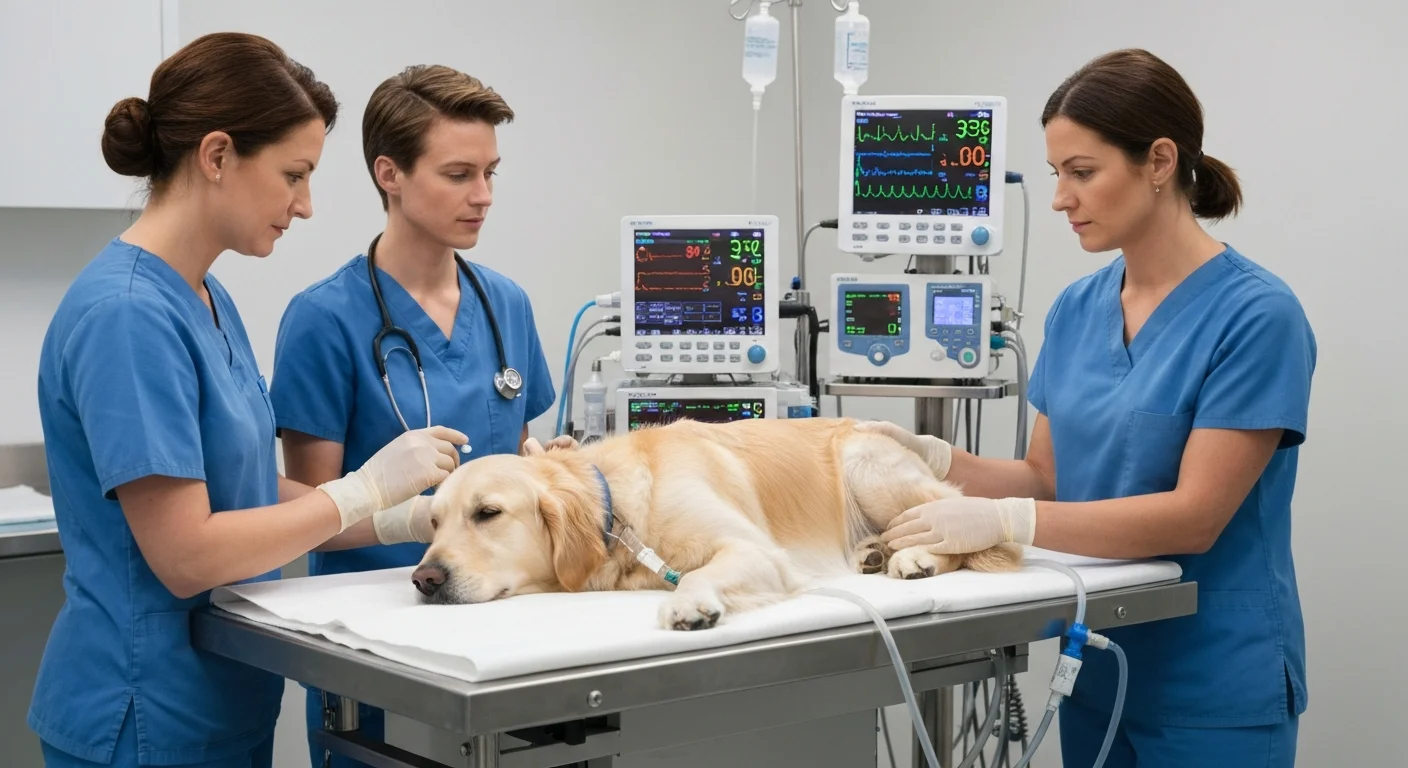
Sedation for Non-Surgical Procedures
Many veterinary procedures require sedation without full anesthesia. Radiographs of a restless dog, ultrasound examinations, wound care in an anxious patient, and MRI scans all commonly involve sedation. The same MDR1 drug considerations apply.
For light sedation, trazodone given orally one to two hours before the procedure is a safe option that does not interact with P-glycoprotein. Gabapentin, given the night before and again the morning of the procedure, provides mild sedation and anxiety reduction without MDR1 concerns.
For deeper sedation, dexmedetomidine is the ideal choice. It provides reliable, dose-dependent sedation with excellent muscle relaxation, and it is fully reversible. If the procedure finishes faster than expected, atipamezole reverses the sedation within minutes. If the sedation is insufficient, additional dexmedetomidine can be administered. This predictability is especially valuable when managing MDR1 dogs, where unpredictable drug responses are the primary concern.
Sedation Alternatives for MDR1 Dogs
Mild sedation (home pre-treatment): Trazodone 3-5 mg/kg PO 1-2 hours prior, or gabapentin 10-20 mg/kg PO the night before and morning of procedure
Moderate sedation (in-clinic): Dexmedetomidine 5-15 mcg/kg IM (reversible with atipamezole)
Avoid: Acepromazine at standard doses. If no alternative exists, reduce dose by at least 50% and monitor recovery closely.
What to Watch After Your Dog Comes Home
Even with an optimized anesthetic protocol, MDR1-affected dogs may recover slightly differently than expected. Knowing what to watch for helps you distinguish normal post-anesthetic behavior from concerning signs.
Mild grogginess for 12 to 24 hours after anesthesia is normal in any dog. If your MDR1-affected dog received any P-glycoprotein substrate drugs during the procedure, even at reduced doses, sedation may last somewhat longer. This is expected and not alarming as long as the dog is rousable and can lift their head when stimulated.
Contact your veterinarian if your dog remains profoundly sedated more than 6 to 8 hours after discharge. If they cannot be roused to lift their head, if their breathing seems unusually slow or shallow, or if their gums appear pale or bluish, seek immediate veterinary attention. These signs suggest excessive drug effect that may require monitoring or supportive care.
Monitor incision sites, appetite, water intake, and elimination as you would for any post-surgical patient. These aspects of recovery are not affected by MDR1 status. The mutation influences drug metabolism, not wound healing or immune function.
A Note for Veterinary Teams
If you are a veterinary professional reading this, consider making MDR1 status inquiry part of your standard pre-anesthetic checklist for all herding breeds and their mixes. A simple checkbox on the anesthesia form that asks "MDR1 status: N/N / N/M / M/M / Unknown / Not applicable" takes five seconds to complete and ensures the information is captured before drug selection begins.
For dogs with unknown MDR1 status from at-risk breeds, defaulting to an MDR1-cautious protocol costs nothing in terms of efficacy and eliminates the risk of an adverse reaction. Dexmedetomidine works just as well as acepromazine for pre-medication. Hydromorphone provides better analgesia than butorphanol for most procedures. The MDR1-safe alternatives are often clinically superior choices regardless of the patient's genetic status. For the full list of drugs requiring caution or avoidance, our complete drug reference provides a comprehensive resource for clinical teams.
The goal is not to create anxiety about anesthetizing herding breeds. The goal is to make informed drug selections that account for a well-characterized genetic variation. MDR1-affected dogs can be safely anesthetized, sedated, and managed through any surgical procedure. They simply need a slightly different drug selection than the default protocol. For additional background on how the MDR1 mutation affects drug handling and which breeds carry the highest risk, Collie Drug Reactions offers practical guidance that many veterinary teams find useful as a quick-reference resource.
With appropriate planning, communication, and drug selection, your MDR1-affected dog faces no greater surgical risk than any other patient. The key is making sure everyone on the care team knows the status and acts on it. Test before you need surgery. Communicate the results clearly. And trust that your veterinary team, armed with the right information, will keep your dog safe through every procedure they will ever need.